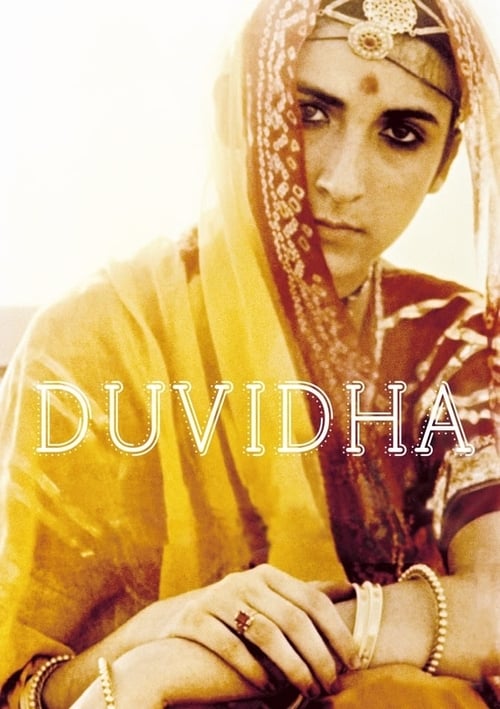
Duvidha
1973
No user ratings available yet
Representation score: 5.6 out of 10
Representation Score
Fair
2005
PG-13Director
Amol Palekar
Runtime
141 minutes
Average Rating
No ratings yetNew Showbiz Analysis
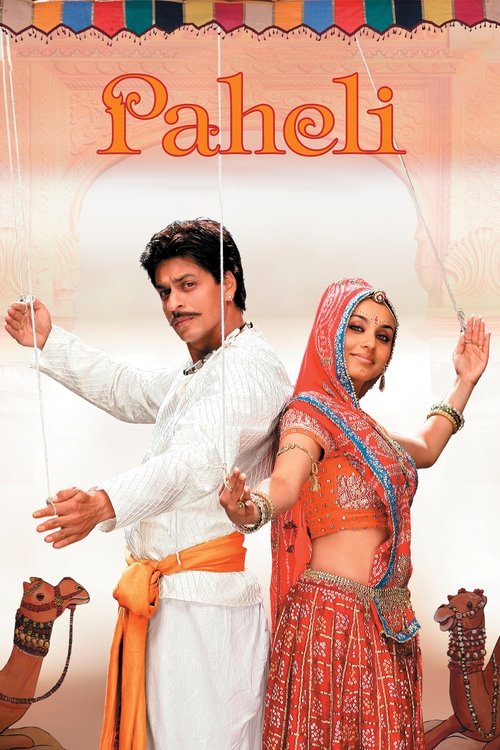
Paheli stands out by focusing on the psychological autonomy of its female protagonist. Using magical realism, the film transcends typical period drama conventions to explore complex emotions and internal freedom. Though the film does not explicitly address LGBTQ+ issues or disabilities, it challenges traditional relationship norms. The contrast between the two versions of the husband highlights the protagonist's subjective experiences. The film provides a culturally specific and authentic portrayal of rural Indian life. It leverages folklore traditions to challenge social hierarchies and emphasize psychological depth over conventional structures.
Category Breakdown
The film centers on a romantic relationship between a woman and a spirit, focusing on traditional heterosexual relationships rather than exploring diverse sexual orientations or gender identities.
Lachchi's emotional independence challenges the stereotype of passive women. Her desires and actions highlight her significant role in driving the story, rather than being controlled by others.
The film offers a genuine glimpse into rural Indian life, emphasizing cultural authenticity and folklore traditions. It avoids the homogenization often seen in globalized media.
Through magical realism, the film questions rigid social and religious norms. It prioritizes emotional truth over strict adherence to traditional customs.
The film does not prominently feature characters with visible or invisible disabilities, nor do such characters drive the plot or have central arcs.
Present on Screen
Limited or Absent
Official Synopsis
Kishanlal marries the beautiful Lachchi, but the day after the wedding, he leaves on business for five years. When Kishanlal reappears only a few days later, Lachchi is delighted, but this new Kishanlal is in fact a spirit who has taken the form of Lachchi's husband, after having seen her by chance and fallen in love with her. Four years later, the real Kishanlal returns and the townsfolk must determine who is who.
1973
1976

2016

2018
1998

2004
2011
1993
No reviews yet. Be the first to share your thoughts on this movie!
Use the rating form above to leave a star rating and optional review.