
Transamerica
2005
No user ratings available yet
Representation score: 8.7 out of 10
Representation Score
Good
1953
PGDirector
Edward D. Wood Jr.
Runtime
71 minutes
Average Rating
No ratings yetNew Showbiz Analysis
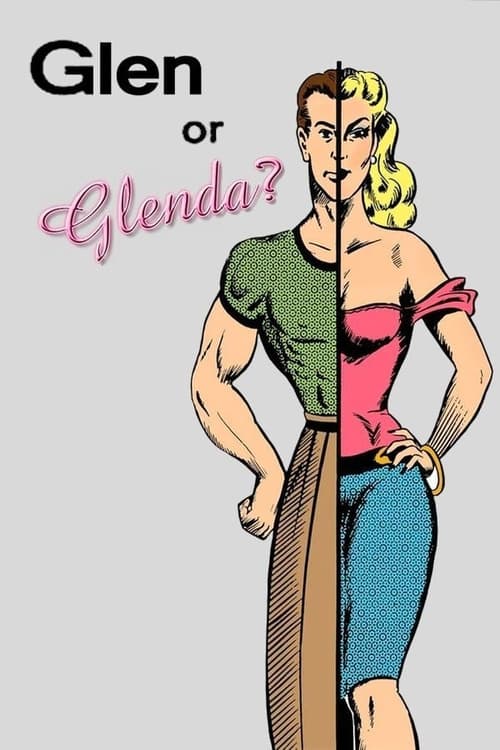
Glen or Glenda is a significant, if experimental, mid-century exploration of identity. It stands out for its willingness to address gender fluidity and medical transition during an era of strict social conformity. By utilizing a psychological lens, the film shifts the conversation away from moral condemnation toward clinical inquiry. However, the film's impact is uneven. While it breaks ground regarding LGBTQ+ themes, it remains deeply rooted in the homogeneous social structures of the 1950s, offering almost no racial or ethnic diversity. The reliance on a psychiatrist to mediate the stories also limits the characters' personal ability to act. Ultimately, the film is a study of the individual psyche. It succeeds in disrupting gender binaries but fails to provide a diverse or multi-layered social landscape.
Category Breakdown
The film acts as a historical artifact by centering narratives on gender fluidity and medical gender transition. This disrupts 1950s assumptions about gender by exploring these topics.
By presenting gender as a spectrum, the film challenges traditional gender hierarchies. The depiction of Anne offers a rare mid-century glimpse into subverting gender norms, though the clinical framing limits her role in driving the story.
The film lacks meaningful racial or ethnic diversity. The cast and setting reflect the homogeneous social structures of the era without significant multi-layered casting.
The narrative moves gender expression from the realm of sin to psychology, subtly critiquing rigid 1950s social institutions. It remains focused on the individual psyche rather than broader systemic critiques.
Mental health is used as a narrative framework via a psychiatrist narrator. While it avoids overt mockery, it risks framing psychological states as subjects to be studied rather than lived experiences.
Present on Screen
Limited or Absent
Official Synopsis
Glen doesn't dare tell his fiancée Barbara that he is a transvestite known as Glenda; in addition, Alan is undergoing medical treatment to become a woman named Anne; both stories are told by a psychiatrist.
2005

1957
1970

1997

2015

2005
1977

2007
No reviews yet. Be the first to share your thoughts on this movie!
Use the rating form above to leave a star rating and optional review.