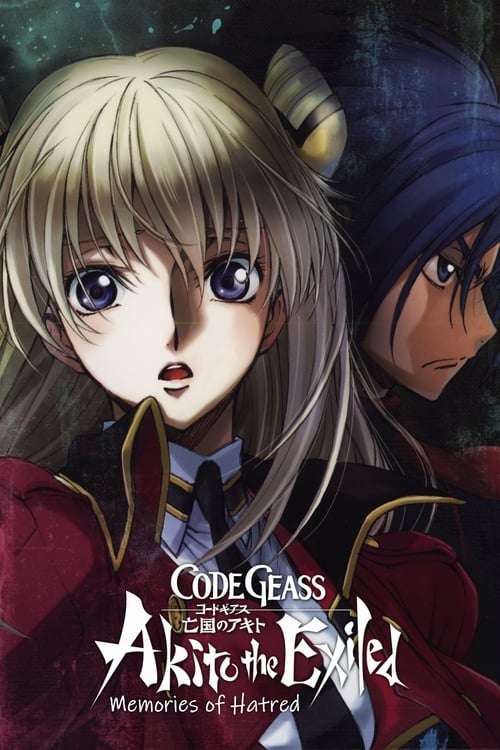
Code Geass: Akito the Exiled 4: Memories of Hatred
2015
No user ratings available yet
Representation score: 8.7 out of 10

Representation Score
Good
2015
TV-14Director
Kazuki Akane
Runtime
60 minutes
Average Rating
No ratings yetNew Showbiz Analysis
The film effectively portrays a multi-ethnic, post-colonial reality through its diverse cast. By focusing on the struggles of colonized territories and underrepresented groups, it successfully challenges traditional Western-centric power dynamics. However, the narrative remains conventional in its treatment of gender and LGBTQ+ identities, limiting the depth of character-driven social exploration. Overall, the work is a sophisticated piece of speculative fiction that uses geopolitical conflict to critique imperialist structures, even if supernatural abilities are used mainly as tactical tools.
Category Breakdown
The story focuses on military hierarchy and combat stress, with no explicit depictions of non-straight or non-cisgender identities or same-sex relationships.
Female pilots and officers are part of the military structure, moving away from traditional combat roles. However, the story centers around the male protagonist, Akito.
The setting includes a mix of ethnicities such as Japanese, European, and Romani-coded characters. Interactions between the W-0 squad and local Romani populations highlight underrepresented ethnic identities.
The plot critiques the expansionist Holy Britannian Empire, framing resistance against imperial dominance as essential for survival and empowerment.
The Geass phenomenon introduces psychological and neurological exceptionalism, serving primarily as tactical plot devices rather than nuanced explorations of disability or neurodivergence.
Present on Screen
Limited or Absent
Official Synopsis
After discovering the face of their true enemy, someone who is related to Akito and responsible for the Geass placed upon him, W-0 attempts to return to their base at Castle Weisswolf. However, stranded in Warsaw due to a complication involving their military identification, they are forced to accept the help of local gypsies, allowing the squad to take some time to deepen their bonds. Meanwhile, Britannian advisor Julius Kingsley and his guard Suzaku Kururugi begin working together with the Knights of St. Michael in order to crush the European resistance once and for all, armed with the destructive power of a giant weapon known as the Ark Fleet.
2015
1998

2013
2013

2016
2016

2014

2012
No reviews yet. Be the first to share your thoughts on this movie!
Use the rating form above to leave a star rating and optional review.