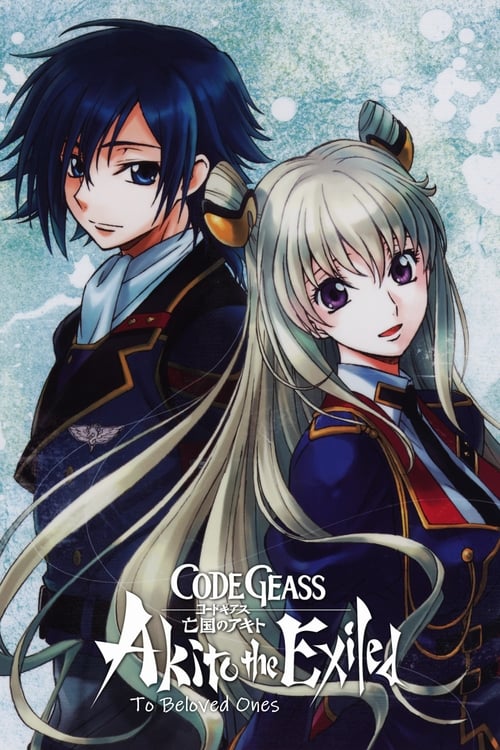
Code Geass: Akito the Exiled 5: To Beloved Ones
2016
No user ratings available yet
Representation score: 8.7 out of 10
Representation Score
Excellent
2015
TV-14Director
Kazuki Akane
Runtime
60 minutes
Average Rating
No ratings yetNew Showbiz Analysis
The film stands out as a sophisticated critique of imperial hegemony and systemic oppression. By focusing on the conflict between an imperialist power and occupied populations, it offers a deep exploration of ethnic identity and resistance. However, the narrative remains somewhat traditional in its handling of identity. It lacks explicit LGBTQ+ representation and uses neurological themes primarily as supernatural plot drivers rather than nuanced explorations of disability. Ultimately, the work's strength lies in its post-colonial narrative structure. It effectively subverts imperialist hierarchies, even if it misses opportunities to deepen its portrayal of individual identity and neurodivergence.
Category Breakdown
The story focuses on military hierarchy and combat trauma rather than identity-driven subplots. There are no explicit depictions of non-straight or non-cisgender identities or same-sex relationships.
Female characters like Leila hold important command roles and show strong tactical abilities. Although the narrative centers on Akito, the presence of female pilots prevents the story from being purely patriarchal.
The plot revolves around the tension between the imperialist Britannian Empire and the occupied 'Elevens.' This post-colonial setting uses ethnic and national identity as key conflict drivers.
The film critiques Western-style expansionism by portraying the Britannian Empire as an oppressive force. It employs guerrilla warfare and moral relativism to challenge absolute imperial morality.
The story focuses on the psychological effects of the Geass power, which functions more as supernatural plot devices than as platforms for characters with disabilities to exercise independent ability to act.
Present on Screen
Limited or Absent
Official Synopsis
While W-0 is away, Leila and the remaining crew at base find themselves surrounded by Britannian Knightmares. Piloting the Vercingetorix, Shin Hyuuga leads the enemy charge, having usurped the position of Grand Master in the Knights of St. Michael. With her core members unavailable, it's up to Leila to protect her comrades, but this may be much tougher than she realizes: a spy lurking among them is finally ready to reveal himself. Left with no choice but to surrender, Leila arranges a meeting with Shin in order to ensure the safety of her squad. But as negotiations begin to fall apart, Akito and an unexpected ally return in the nick of time to turn things around.
2016
2019
2013
2013
2015
2016
2005
2012
No reviews yet. Be the first to share your thoughts on this movie!
Use the rating form above to leave a star rating and optional review.