
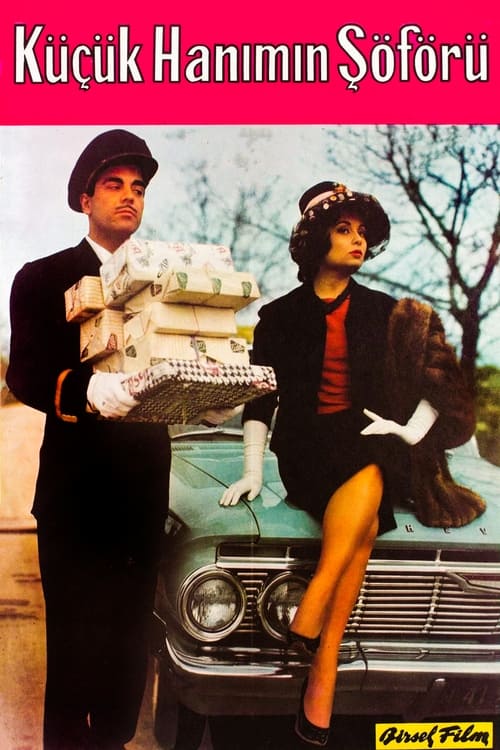
Little Lady
1961
No user ratings available yet
Representation score: 1.7 out of 10
Representation Score
Limited
1962
Director
Nejat Saydam
Average Rating
No ratings yetNew Showbiz Analysis
Chauffeur of the Little Lady is a product of the Yeşilçam era, functioning as a mainstream commercial comedy. It adheres strictly to the social and cinematic norms of 1960s Turkey, focusing on class dynamics and romantic entanglements. The film lacks complexity in addressing multiple aspects of identity or challenging traditional hierarchies. Instead, it uses established clichés, such as the wealthy family versus the working class, to drive its comedic elements. Ultimately, the work reflects the homogeneous social landscape of its time without attempting to subvert systemic structures.
Category Breakdown
The film follows traditional romantic comedy structures focused on heterosexual relationships. There are no LGBTQ+ characters or narratives that challenge heterosexuality.
Neriman is a central figure, but the narrative relies on classic clichés where female characters serve as catalysts for male development. The film upholds traditional gender roles.
The cast and setting are ethnically uniform, reflecting the social landscape of 1962 Turkey. It focuses on local class structures rather than multi-ethnic themes.
Class friction is used as a comedic device rather than a systemic critique. Traditional social structures and familial hierarchies are reinforced throughout the plot.
There is no mention of visible or invisible disabilities in the character descriptions. The narrative does not represent any disabilities.
Present on Screen
Limited or Absent
Official Synopsis
Ömer is the mischievous son of a wealthy family. His grandmother makes a will to put an end to his grandson's extravagance. According to the will, Ömer will be able to have her wealth only on one condition. This condition is that Ömer works for a year in a job where he will understand life. With the unexpected death of his grandmother, Ömer takes a job as a driver for a wealthy family. However, the family's relationship with their young daughter, Neriman, will gain a different dimension over time.
1961

1978

1973

1976
1967

1978
1965
1978
No reviews yet. Be the first to share your thoughts on this movie!
Use the rating form above to leave a star rating and optional review.