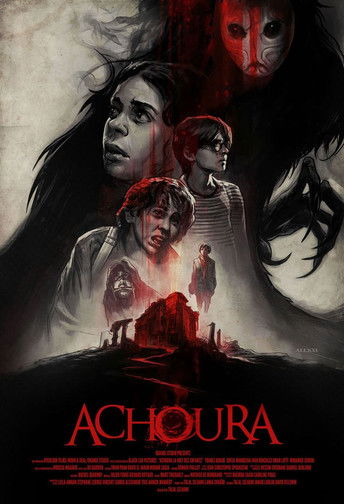
Achoura
2020
No user ratings available yet
Diversity score: 5.3 out of 10
2010
Director
Jennifer Lynch
Runtime
98 minutes
Average Rating
No ratings yetSynopsis
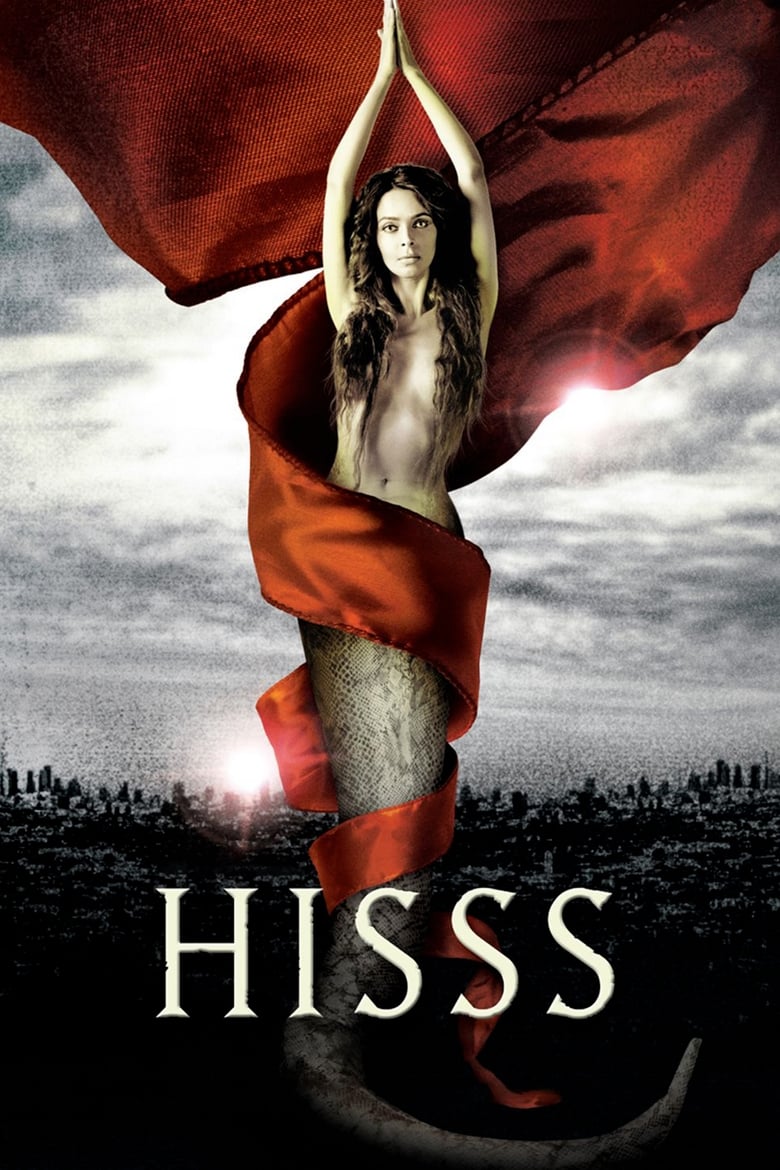
Based on the Far Eastern myth of the snake woman who is able to take on human form.
Overall Score
Limited
Category Breakdown
LGBTQ+ Representation
The film lacks explicit depictions of non-heteronormative identities. The central conflict follows a traditional romantic and predatory framework.
Gender Representation
The narrative disrupts traditional hierarchies by centering a female protagonist with supernatural strength. She avoids the damsel trope, acting as a formidable agent of destruction.
Racial & Ethnic Diversity
The production features an Indian lead actress within an English-language film. It utilizes local mythology rather than succumbing to Western-centric whitewashing.
Religious & Cultural Diversity
The story explores mythic themes of supernatural vigilantism and retribution. However, it lacks a broader critique of systemic power or Western institutions.
Disability Representation
There are no prominent depictions of physical or neurodivergent disabilities. Such elements are not integrated into the character arcs or narrative.
Strengths
Areas for Improvement
AI Analysis
Hisss stands out in the horror genre for its subversion of gendered power dynamics. By transforming its female lead from a target into a dominant, predatory force, the film rejects the typical vulnerability assigned to women in thrillers. The film also provides a departure from Western-centric supernatural tropes by leaning into Indian mythology. This inclusion of local folklore and a South Asian lead provides a meaningful sense of cultural agency. However, the film lacks intersectional depth. It offers no representation for LGBTQ+ identities or individuals with disabilities, focusing instead on a narrow, mythic scope of retribution.
No reviews yet. Be the first to share your thoughts on this movie!
Use the rating form above to leave a star rating and optional review.