
Angel of Light
1998
No user ratings available yet
Diversity score: 3.2 out of 10
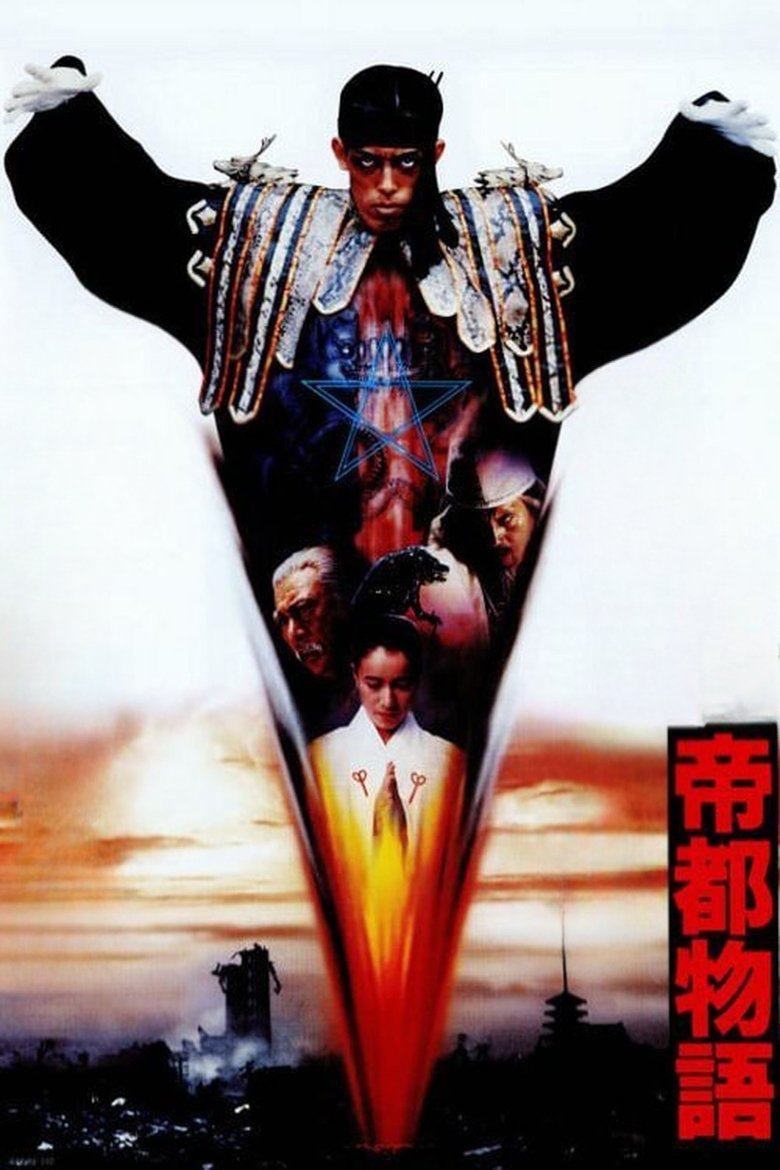
1988
Director
Akio Jissoji
Runtime
135 minutes
Average Rating
No ratings yetSynopsis
A demonic reincarnation of a Japanese general from the 10th century appears in the early 20th century Tokyo with a mission to destroy the blooming city.
Overall Score
Fair
Category Breakdown
LGBTQ+ Representation
The film lacks explicit evidence of non-cisnormative identities or same-sex intimacy. The narrative focuses on supernatural and historical conflict rather than exploring sexual orientation.
Gender Representation
Plot drivers center on masculine archetypes of power and destruction. There is little evidence of female characters possessing high agency or the subversion of traditional gender hierarchies.
Racial & Ethnic Diversity
As a Japanese production, the film maintains a culturally homogeneous cast. It offers a localized, authentic exploration of Japanese myth without the imposition of Western-centric casting norms.
Religious & Cultural Diversity
The story explores the tension between tradition and modernity through a postmodernist lens. It frames the city as a site of potential destruction amidst technological advancement.
Disability Representation
There is no documented portrayal of physical disabilities or neurodivergence. While the film touches on psychological alienation, it is unclear if these states are treated with character agency.
Strengths
Areas for Improvement
AI Analysis
Akio Jissoji’s film is a surrealist, genre-driven exploration of postmodern alienation and historical myth. It prioritizes the intersection of humanity and technology over the intentional inclusion of marginalized identities. The work functions as a culturally authentic piece of Japanese cinema, focusing on local history and myth. However, it remains within the conventional demographic bounds of its era. Ultimately, the film's artistic sophistication does not translate into modern intersectional representation, as the narrative architecture favors historical and supernatural themes over identity politics.
1998
2010
1995
1994
No reviews yet. Be the first to share your thoughts on this movie!
Use the rating form above to leave a star rating and optional review.