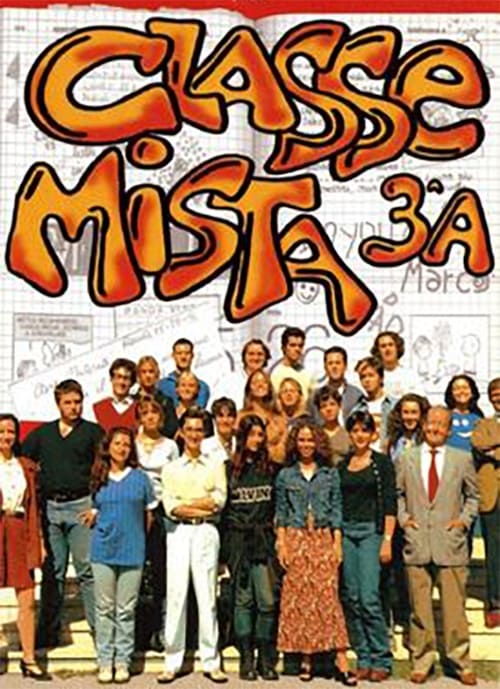
Classe mista 3ª A
1996
No user ratings available yet
Representation score: 2.9 out of 10

Representation Score
Limited
1998
Director
Gabriele Muccino
Runtime
87 minutes
Average Rating
No ratings yetNew Showbiz Analysis
Gabriele Muccino’s debut is a conventional coming-of-age comedy that relies heavily on established genre clichés. The narrative centers on the emotional journey of youth and the pursuit of romantic milestones. While the film offers a character-driven look at friendship and change, it lacks complexity in representing diverse identities. It operates within a standard Western framework, emphasizing personal growth over broader social issues. Ultimately, the film serves as a localized study of interpersonal relationships rather than a diverse exploration of broader social identities.
Category Breakdown
The film centers around a traditional romantic triangle involving male protagonists and a female lead. There are no queer identities or non-straight storylines presented.
Margherita plays a crucial role in the emotional development of the male leads, shifting the focus from male camaraderie to a more complex social dynamic.
The film reflects the demographic homogeneity common in late-90s European cinema, set in a traditional, localized Italian context.
The story explores secular themes of academic challenges and the transition to adulthood, focusing on individualistic romantic fulfillment rather than religious or systemic issues.
There is no depiction of physical or neurodivergent disabilities in this film.
Present on Screen
Limited or Absent
Official Synopsis
Matteo and Piterone, lifelong friends, try to pass their high school exams for the third time, but then Margherita arrives and love enters their lives. Muccino's debut film.
1996

1988

2002

2003

2007

2005

2008

2005
No reviews yet. Be the first to share your thoughts on this movie!
Use the rating form above to leave a star rating and optional review.