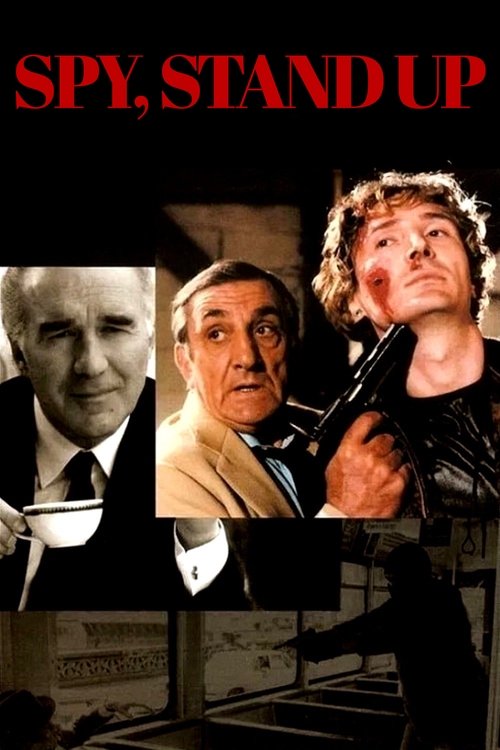
Spy, Stand Up
1982
No user ratings available yet
Diversity score: 4.2 out of 10
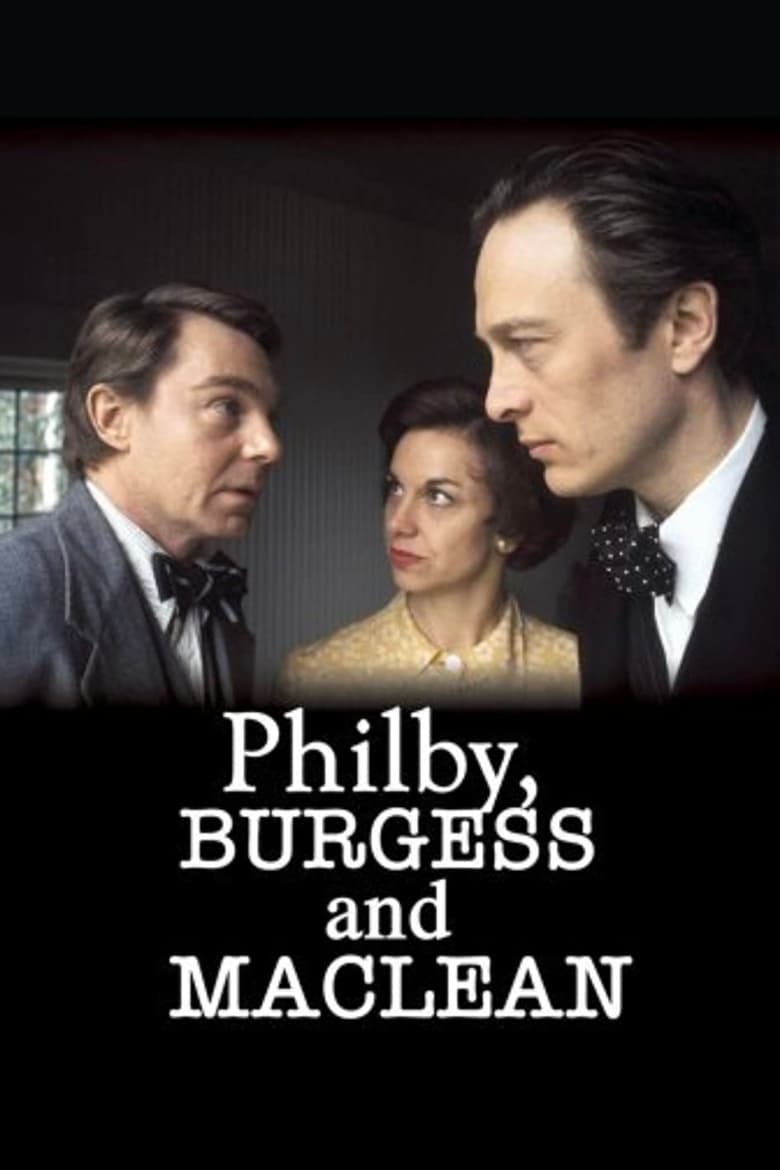
1977
Director
Gordon Flemyng
Runtime
90 minutes
Average Rating
No ratings yetSynopsis
Recruited by the Russians during their days at Cambridge, three young Englishmen rise to become high-ranked MI5 agents until their exposure in 1949.
Overall Score
Limited
Category Breakdown
LGBTQ+ Representation
The film acknowledges Guy Burgess’s sexuality as a historical reality. However, it treats non-heteronormative lifestyles as a source of social friction rather than a celebration of identity.
Gender Representation
The narrative is centered on a male-dominated 'Old Boys' Club.' Women are relegated to the periphery, serving primarily as social companions or domestic figures within high-society circles.
Racial & Ethnic Diversity
The cast is overwhelmingly homogeneous, reflecting the mid-century British upper class. The story is confined to the Anglo-Saxon privilege of the Cambridge spy ring.
Religious & Cultural Diversity
The film offers a nuanced critique of Western institutional stability. It explores the deconstruction of the British establishment through the protagonists' ideological commitment to Communism.
Disability Representation
There are no significant depictions of visible or invisible disabilities that drive the narrative or provide character agency.
Strengths
Areas for Improvement
AI Analysis
This period drama focuses on the psychological complexities of espionage and historical fidelity. It functions as a study of class and ideological betrayal within the mid-century British elite. While the film lacks demographic variety, it succeeds in providing cultural complexity. It challenges the archetype of the loyal patriot by exploring how political conviction can subvert state authority. Ultimately, the work is a product of its era, prioritizing the exploration of institutional compromise over modern standards of social representation.
1982

1968

1964
2009
2019
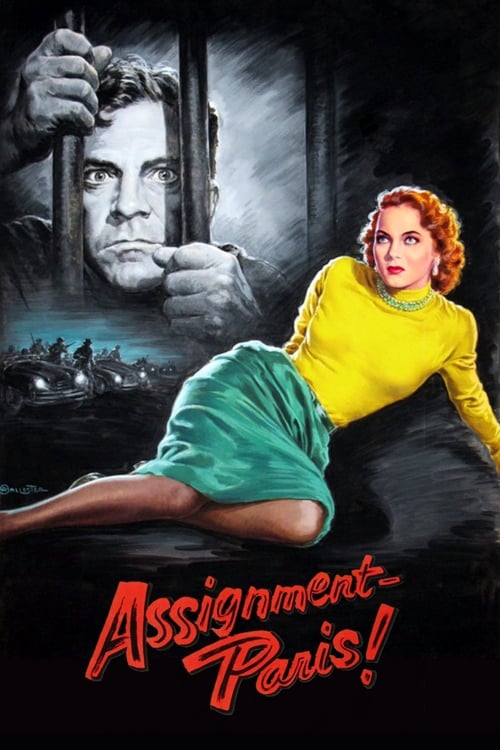
1952
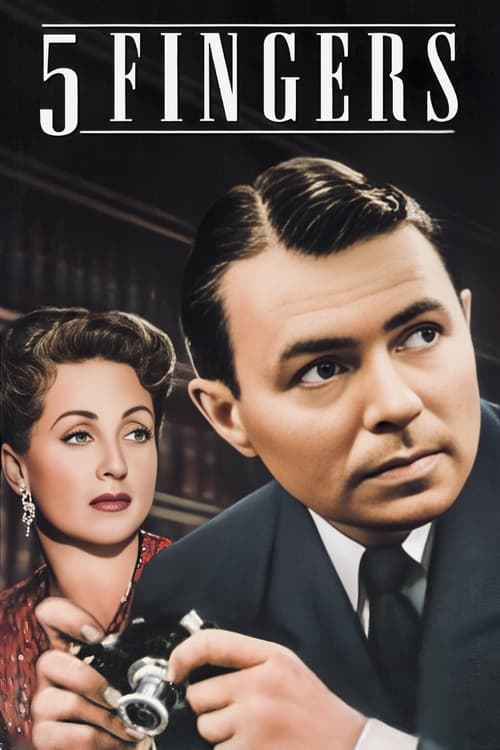
1952
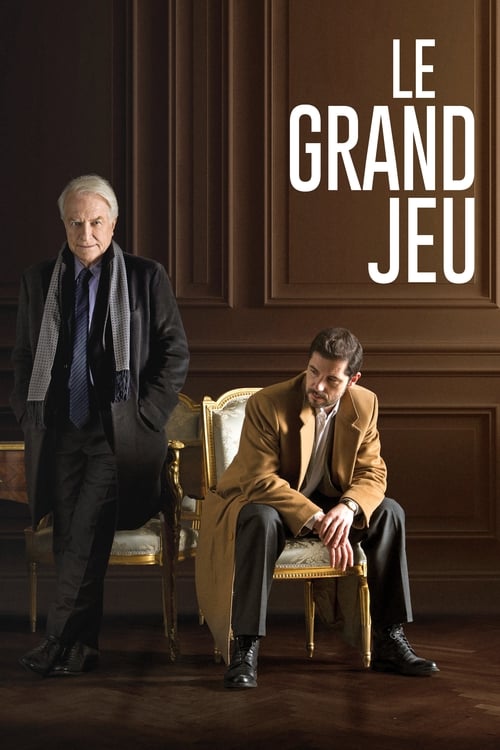
2015
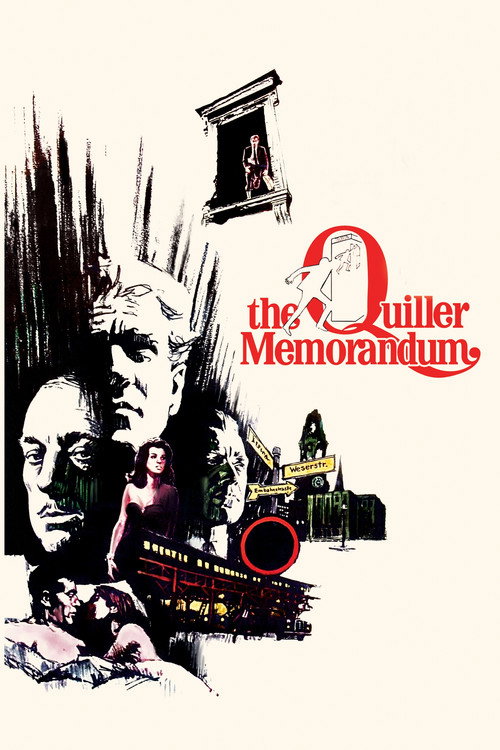
1966

1952
1962

2018
No reviews yet. Be the first to share your thoughts on this movie!
Use the rating form above to leave a star rating and optional review.