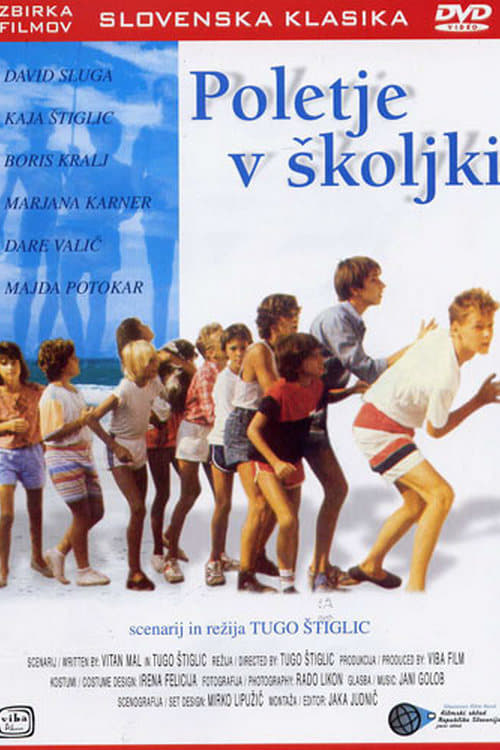
A Summer in a Sea Shell
1985
No user ratings available yet
Diversity score: 4.9 out of 10

1988
Director
Tugo Štiglic
Runtime
96 minutes
Average Rating
No ratings yetSynopsis
Three years later, Tomaz meets Milena in Ljubljana where she practices dancing. In order to spend more time with her, Tomaz enrolls at the dance club where he finds many new friends. As the club is faced with close-down, the members decide to save it by setting up a dance show for the urban elite.
Overall Score
Fair
Category Breakdown
LGBTQ+ Representation
The film centers on the romantic reconnection between Tomaz and Milena. There is no explicit evidence of queer identities or non-cisnormative subtext within this traditional romantic framework.
Gender Representation
Milena serves as a catalyst for the protagonist, establishing female agency through her dance skills. The dance club setting provides a space that subverts rigid masculine archetypes through physical expression.
Racial & Ethnic Diversity
The narrative focuses on regional social dynamics within Ljubljana. It does not explicitly signal a multicultural or multi-ethnic cast, reflecting the demographic homogeneity of 1988 Yugoslavia.
Religious & Cultural Diversity
The story critiques class-based power dynamics by pitting a community-driven club against the urban elite. It emphasizes communal solidarity and grassroots resistance against high-status institutional pressures.
Disability Representation
The available narrative details do not mention characters with visible or invisible disabilities.
Strengths
Areas for Improvement
AI Analysis
A Summer in a Sea Shell 2 is a coming-of-age story that prioritizes social cohesion and youth autonomy. It moves the setting from a seasonal landscape to an urban environment, focusing on the struggle to preserve communal spaces. The film finds its strength in exploring class tensions and collective agency. By framing the dance club as a site of resistance against the urban elite, it highlights the value of grassroots community efforts over individualistic pursuits. However, the film remains limited by the demographic and social conventions of its era. It lacks intersectional identity markers and focuses on a traditional romantic structure that offers little representation for diverse identities.
No reviews yet. Be the first to share your thoughts on this movie!
Use the rating form above to leave a star rating and optional review.