
The Trail Blazers
1940
No user ratings available yet
Representation score: 0.6 out of 10
Representation Score
Minimal
1944
GDirector
Sam Newfield
Runtime
60 minutes
Average Rating
No ratings yetNew Showbiz Analysis
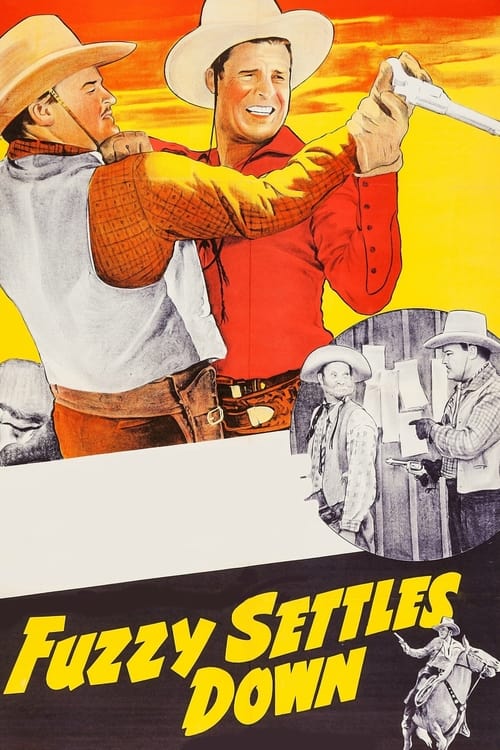
Fuzzy Settles Down is a conventional genre piece that adheres strictly to the standardized Western clichés of its era. The narrative prioritizes efficient storytelling and traditional social hierarchies over complex or multi-layered character development. The film reinforces mid-century values regarding capitalism and civic duty. It presents a binary struggle between community-minded protagonists and a disruptive antagonist, lacking the depth to disrupt historical clichés. Ultimately, the work offers a homogeneous view of the American frontier that lacks meaningful representation of diverse identities.
Category Breakdown
The film follows a standard trajectory typical of 1940s Westerns, with no evidence of LGBTQ+ characters or non-straight relationships.
Gender roles follow traditional hierarchies. While Edith Martin motivates Fuzzy’s civic engagement, the ability to act to combat the antagonist is ultimately given to the male protagonists.
The story reflects the homogeneous, Anglo-centric casting norms of the era. There is no evidence of a non-white majority cast or diverse ethnic perspectives in the frontier setting.
The narrative reinforces mid-century American ideals of stability and institutional preservation. It focuses on capitalism, civic progress, and the establishment of law and order against disruptive forces.
The film contains no mention of characters with physical or neurodivergent disabilities.
Present on Screen
Limited or Absent
Official Synopsis
Billy Carson and Fuzzy Jones have just collected a reward and Fuzzy indulges in a dream of getting away from the hectic life he has been leading and wants to settle down. They arrive in Red Rock just as the newspaper is being sold at foreclosure and, despite the attempts by Lafe Barlow to intimidate him from bidding. Fuzzy finds himself the owner of a newspaper. Fuzzy meets Edith Martin, daughter of the former owner, and unthinkingly commits himself to carrying on her father's policy of bringing a telegraph line to Red Rock. For reason of his own, Barlow is against this and has his henchmen wage a campaign of terror against the ranchers and citizens. Before long, Billy who had been lazily indifferent to everything connected to Fuzzy and his newspaper, decides to take a hand on the side of the good guys.
1940
1940
1941
1959
1943
1943
1940
1944
No reviews yet. Be the first to share your thoughts on this movie!
Use the rating form above to leave a star rating and optional review.