Sequoia
2014
No user ratings available yet
Representation score: 3.3 out of 10
Representation Score
Fair
2012
Director
Marco Petry
Runtime
100 minutes
Average Rating
No ratings yetNew Showbiz Analysis
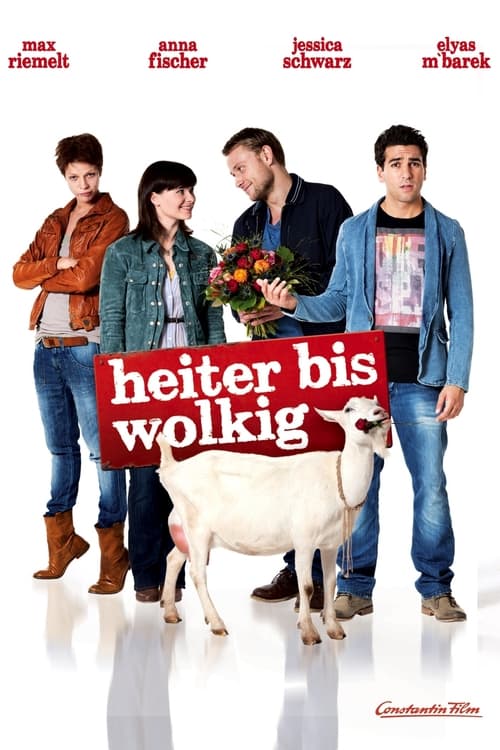
Partly Sunny operates within the well-defined boundaries of the romantic comedy-drama genre. The narrative depends on established clichés, particularly the use of deception to advance a romantic storyline. The film does not offer much depth in representing diverse identities. It focuses on a narrow interpersonal conflict rather than a broader range of identities. Most notably, the film uses a serious medical condition as a plot device, reducing disability to a mere tool for advancing the story without respect for the lived experiences of those with disabilities.
Category Breakdown
The film does not explicitly show non-traditional gender identities. The interactions between the characters follow a conventional heterosexual storyline.
The story follows traditional dating norms where men use deception to influence a woman. This aligns with common genre clichés.
There is no information about the racial or ethnic makeup of the cast. The film seems to follow typical demographic profiles found in European genre films.
The narrative centers on interpersonal deception rather than exploring broader societal power structures or cultural institutions. It emphasizes situational humor over deeper social commentary.
A terminal illness is used solely as a plot device to manipulate the story. This approach reduces serious health issues to mere plot devices, lacking respect for the lived experience of those with disabilities.
Present on Screen
Limited or Absent
Official Synopsis
Two young guys in a bar hit on the woman they fancy by sending one of them over who tells her that the other one is terminally ill...
2014
2010

2001

2006
2014

2002
2015
2019
No reviews yet. Be the first to share your thoughts on this movie!
Use the rating form above to leave a star rating and optional review.