
Tom & Thomas
2002
No user ratings available yet
Representation score: 0.6 out of 10
Representation Score
Fair
2003
Director
Ella Lemhagen
Runtime
89 minutes
Average Rating
No ratings yetNew Showbiz Analysis
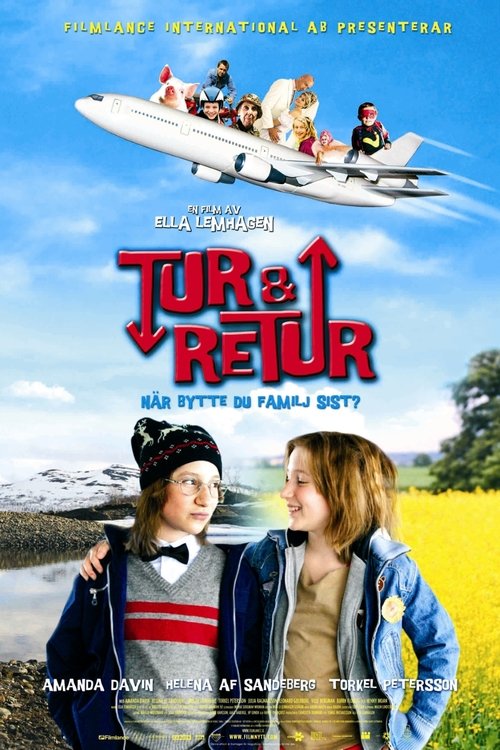
Round-Trip challenges the idea of a stable nuclear family by focusing on children dealing with the complexities of divorce. The protagonists take control through deception, reclaiming their autonomy. However, the film falls short in representing diverse identities. It centers on a specific social context that lacks racial diversity and LGBTQ+ character development. Overall, the film highlights the tension between individual ability to act and parental authority, but it remains within limited demographic boundaries.
Category Breakdown
The film examines broken family structures and the fluid nature of identity. There is no clear depiction of same-sex relationships.
Julia and Martin regain control by altering their situations. This defies typical gender roles associated with parenting and household management.
The story seems confined to a particular social context. It does not emphasize blending of racial identities or overturning of ethnic casting norms.
The plot dismantles the conventional Western family structure. It portrays the children's trickery as a means to gain personal freedom from restrictive systems.
There is no indication of characters with visible or invisible disabilities.
Present on Screen
Limited or Absent
Official Synopsis
11-year old Julia and Martin are tired of having to flip back and forth between their divorced parents and when they realize how much they look like, they decide to swap places. After meeting at an airport, the each embark on a journey that will change their lives forever.
2002

2017

1995

1995

2000

2026

1950

2023
No reviews yet. Be the first to share your thoughts on this movie!
Use the rating form above to leave a star rating and optional review.