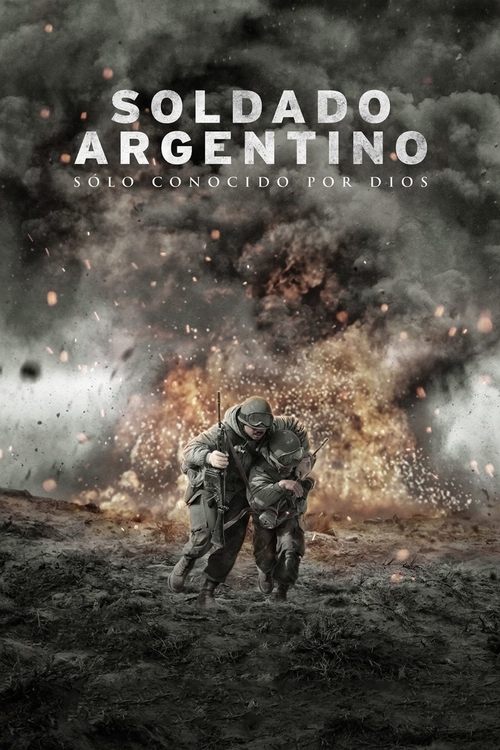
Argentine Soldier Only Known by God
2017
No user ratings available yet
Representation score: 4.3 out of 10
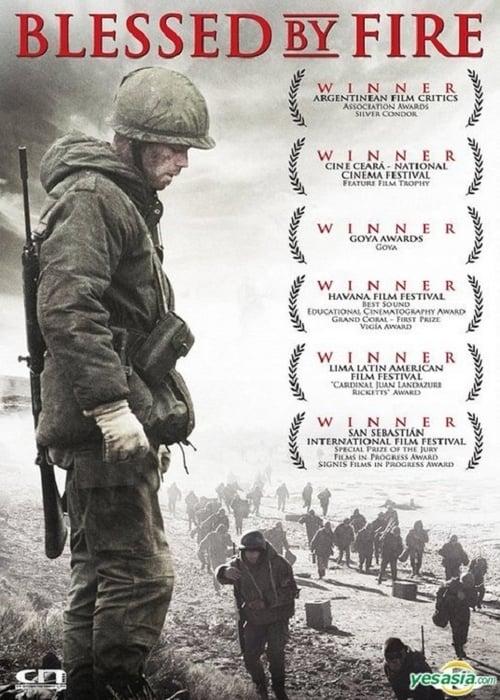
Representation Score
Good
2005
Director
Tristán Bauer
Runtime
100 minutes
Average Rating
No ratings yetNew Showbiz Analysis
Tristán Bauer’s film serves as a critical examination of national myths surrounding the Falklands War. By shifting the focus from high-level military command to the experiences of working-class conscripts, the film dismantles romanticized notions of patriotic glory. The narrative structure emphasizes systemic trauma and human vulnerability over institutional triumphs. This approach allows the film to serve as a critique of state-driven conflict and the mechanisms of warfare. Though the film lacks explicit representation of diverse identity markers, its strength lies in its cultural critique. It replaces traditional propaganda with a complex, humanistic perspective on the individual's struggle against state-sanctioned violence.
Category Breakdown
The film examines the intimacy and vulnerability of soldiers in isolated, high-stress situations. While there are no explicit queer narratives, the setting allows for subtle explorations of gender and sexuality.
The story focuses on a male-dominated military setting. Instead of promoting gender equality, the film challenges traditional masculinity by showing soldiers as scared and vulnerable rather than stoic heroes.
The cast is predominantly made up of people with similar backgrounds, emphasizing Argentine identity during a geopolitical conflict. However, the story highlights various socioeconomic perspectives among the conscripts.
The film stands out by questioning nationalist institutions and conventional patriotism. It criticizes the state's use of young people in territorial disputes, emphasizing the personal toll of systemic violence.
The drama likely addresses physical and psychological trauma, such as PTSD, associated with combat. This offers a nuanced view of hidden disabilities, although specific examples of individuals taking control remain unconfirmed.
Present on Screen
Limited or Absent
Official Synopsis
A war veteran, haunted by the horrors of war and the experiences he shared with fellow soldiers drafted to the battlefront as an 18-year-old conscript, is forced to confront the memories of his past after a former comrade attempts suicide. 20 years after the war, he finally attempts to reconnect with his past to begin to heal his old wounds.
2017

2005

1995

2009
1997
1998

2002

2006
No reviews yet. Be the first to share your thoughts on this movie!
Use the rating form above to leave a star rating and optional review.