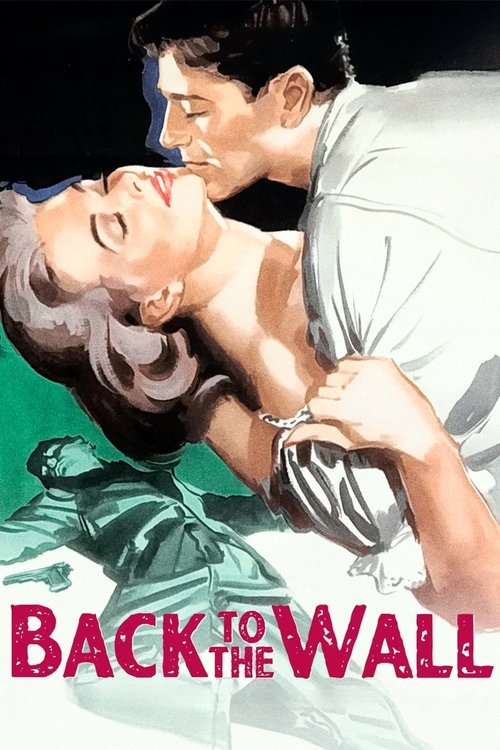
Back to the Wall
1958
No user ratings available yet
Representation score: 0.4 out of 10
Representation Score
Minimal
1958
Director
Maurice Cazeneuve
Runtime
100 minutes
Average Rating
No ratings yetNew Showbiz Analysis
The film 'That Night' (1958) adheres closely to the cinematic conventions of its time. It focuses on a crime drama set in a fashion magazine, using traditional interpersonal conflicts to drive the story. The movie relies heavily on established power hierarchies and gender clichés. The central tension revolves around a male authority figure's desire for a female subordinate, limiting the potential for nuanced or multi-layered storytelling. Overall, the film reflects the social context of mid-century France, prioritizing genre-driven drama over challenging social norms or representing diverse identities.
Category Breakdown
The film does not include any LGBTQ+ characters or stories that challenge the idea that everyone is straight. The main conflict revolves around a typical husband, wife, and male villain setup.
Sylvie is portrayed mainly as an object of desire rather than someone who can make independent decisions. Her actions are controlled by a male superior, reinforcing the traditional gender roles of the 1950s.
The story seems to follow the homogeneous demographics typical of French cinema from the late 1950s. There is no indication of a diverse or non-Anglo-Saxon cast.
The story centers on professional cynicism and workplace power structures, focusing on the established social hierarchy. It does not address or question Western cultural norms.
There is no mention of characters with physical or neurodivergent disabilities in this production.
Present on Screen
Limited or Absent
Official Synopsis
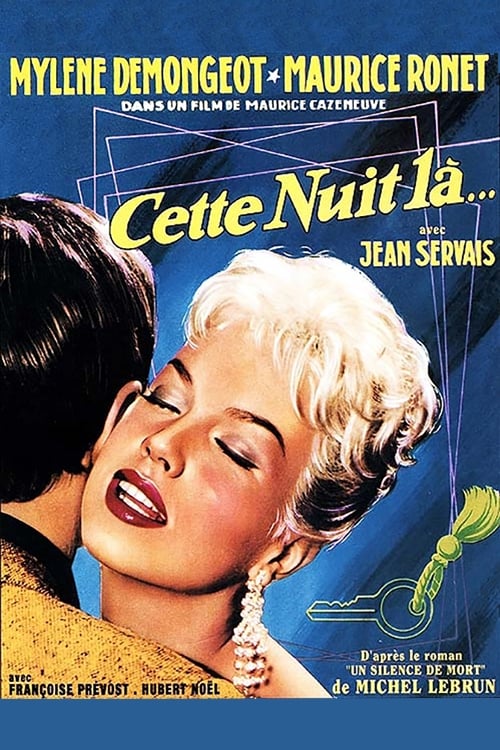
Jean, who is the artistic director of a fashion magazine, is married to a very pretty cover girl, Sylvie. They both work for André Reverdy, a very cynical man, who openly covets Sylvie.
1958
1969
1954
1943
1957
1950
2000
1963
No reviews yet. Be the first to share your thoughts on this movie!
Use the rating form above to leave a star rating and optional review.