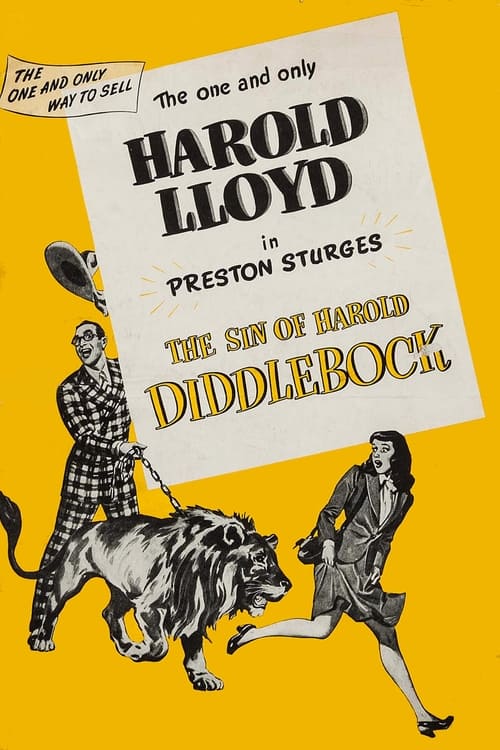
The Sin of Harold Diddlebock
1947
No user ratings available yet
Representation score: 2.2 out of 10

Representation Score
Minimal
1934
ApprovedDirector
Edward Ludwig
Runtime
68 minutes
Average Rating
No ratings yetNew Showbiz Analysis
Friends of Mr. Sweeney is a product of the 1930s studio system, emphasizing traditional character arcs over social subversion. The plot follows a standard comedic trajectory where a meek man gains confidence through peer encouragement and social drinking. The film adheres strictly to the demographic and social norms of its era. It lacks diverse representation, focusing instead on a conventional male-centric journey within a homogeneous social framework. Ultimately, the production functions as a period-typical comedy that reinforces existing hierarchies rather than challenging them.
Category Breakdown
The film does not include any LGBTQ+ characters or stories about non-cisgender identities. It follows the conventional romantic and social structures typical of the 1930s.
The story focuses on a male protagonist's journey to reclaim his masculinity. Female characters mainly support the male lead's development.
The narrative appears centered on a homogeneous Western social environment. There are no characters from diverse ethnic or non-Anglo-Saxon backgrounds.
Themes revolve around individual temperament and social standing within traditional professional structures. The plot reinforces standard social hierarchies without critiquing Western institutions.
No characters have physical impairments or neurodivergent traits. The narrative does not portray any visible or invisible disabilities.
Present on Screen
Limited or Absent
Official Synopsis
Asaph (Charles Ruggles) is a meek, mild-mannered homebody who occasionally shows some backbone to his prudish, overbearing boss, only to be beaten down again. With the encouragement of his secretary Beulah (Ann Dvorak), his old college team-mate Wynn (Eugene Pallette) and some liquor, Asaph regains some of his wild-man soul. Watch out world!
1947

1977
1938

1934
1930
1932
1934
1934
No reviews yet. Be the first to share your thoughts on this movie!
Use the rating form above to leave a star rating and optional review.