
The Hook
1976
No user ratings available yet
Representation score: 3.5 out of 10
Representation Score
Limited
1997
RDirector
Yurek Bogayevicz
Runtime
97 minutes
Average Rating
No ratings yetNew Showbiz Analysis
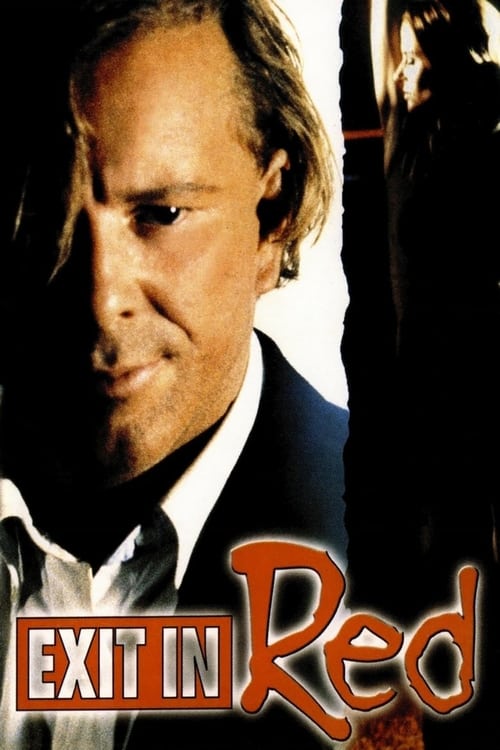
Exit in Red functions as a typical 1990s crime drama, emphasizing interpersonal conflict and moral ambiguity over social representation. The narrative structure relies on traditional clichés of betrayal and murder, offering little in the way of systemic challenges. The film lacks evidence of multi-layered identities, focusing instead on a narrow set of character types. Without specific casting data or diverse narrative threads, the work remains a conventional genre piece. Ultimately, the film's focus on individual greed and romantic intrigue leaves little room for exploring broader social or cultural complexities.
Category Breakdown
The story revolves around a typical heterosexual relationship, and there are no queer narratives or non-straight identities in the plot.
The plot involves a power struggle between a male psychiatrist and a wealthy woman. While the wealthy woman shows significant involvement in driving the story, the dynamics follow standard crime-drama clichés.
The narrative does not provide any information about the racial or ethnic makeup of the cast. The setting implies a possibly homogeneous social circle.
The film focuses on individual morality and crime without critiquing institutions. It does not seem to challenge Western social structures or secularism.
There is no mention of characters with visible or invisible disabilities. The narrative does not address neurodivergence or physical health issues.
Present on Screen
Limited or Absent
Official Synopsis
Psychiatrist Ed Altman relocates to Palm Springs in order to avoid a lawsuit. However, he wanders directly into more trouble when he begins an affair with the wealthy Ally Mercer, who has her own motives for getting involved with Ed. Soon Ally's volatile lover Nick is caught in the intrigue, resulting in shady dealings, betrayal, and, ultimately, murder.
1976
1991
2002
1994

2017
1980

2003

1985
No reviews yet. Be the first to share your thoughts on this movie!
Use the rating form above to leave a star rating and optional review.