Find another title
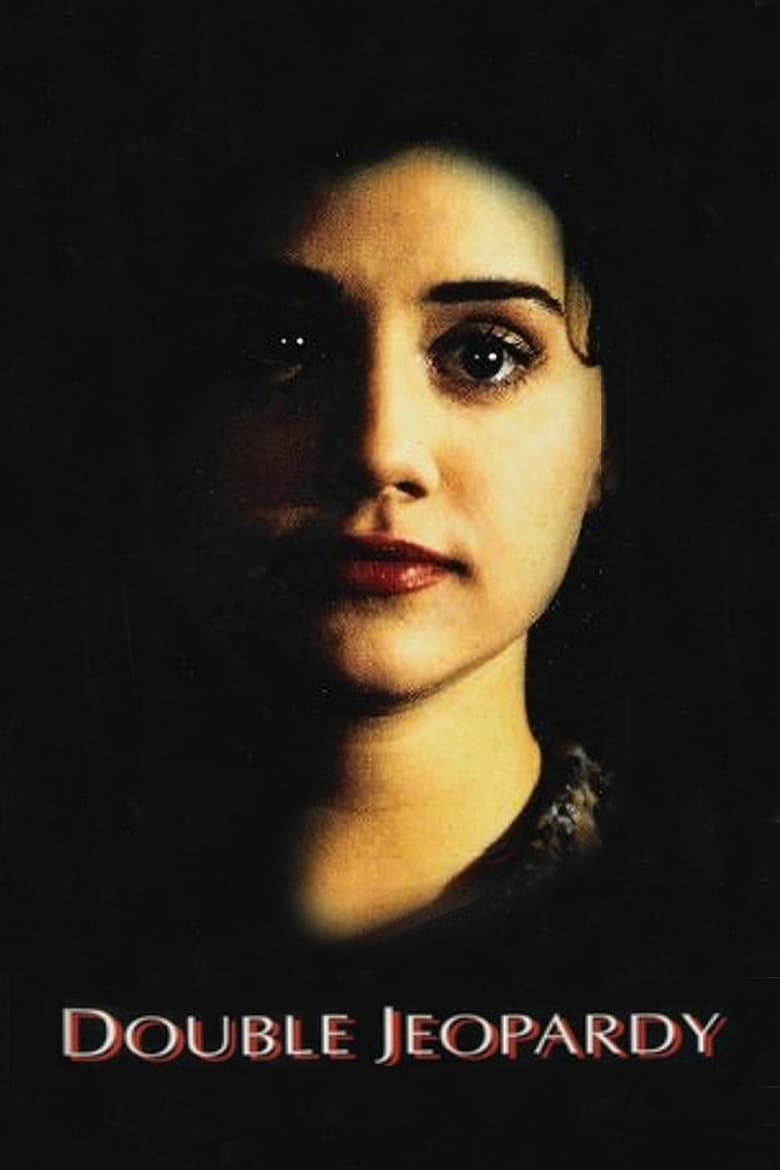
Double Jeopardy
1996
RDirector
Deborah Dalton
Runtime
96 minutes
Average Rating
No ratings yetSynopsis
A naive 16 year old waitress falls for a corrupt, married police officer. When she falls pregnant, her lover plots her murder.
Where to Watch
Diversity & Representation
Overall Score
Limited
Category Breakdown
LGBTQ+ Representation
The story centers on a heterosexual romantic entanglement. There is no evidence of non-cisnormative identities or narratives that critique heteronormativity.
Gender Representation
The plot follows a female protagonist navigating a predatory power dynamic. It utilizes traditional victim and villain tropes common in 1990s suspense dramas.
Racial & Ethnic Diversity
While Joe Penny is part of the cast, the narrative details lack sufficient information regarding the racial composition of the ensemble.
Religious & Cultural Diversity
The film operates within traditional Western crime tropes. It focuses on individual morality rather than a broader deconstruction of Western institutions.
Disability Representation
The documentation contains no mention of neurodivergence, physical disabilities, or mental health conditions.
Strengths
- The narrative provides a central female protagonist navigating complex power dynamics.
Areas for Improvement
- The film relies on conventional 1990s suspense tropes rather than subverting social hierarchies.
- There is a lack of representation for LGBTQ+ identities and disability.
- The story lacks depth regarding racial diversity and systemic cultural critiques.
AI Analysis
Double Jeopardy functions primarily as a genre-driven crime drama focused on interpersonal conflict. The narrative prioritizes high-stakes suspense and melodrama over progressive social commentary or intersectional character studies. The film adheres to mid-90s television mystery conventions. It centers on a specific betrayal involving a corrupt officer and a naive waitress, leaning into established tropes of gendered peril rather than subverting social hierarchies. Ultimately, the production lacks the intentionality required to disrupt traditional structures. It remains a localized critique of individual corruption rather than a systemic exploration of identity.
Rate this Movie
Reviews
No reviews yet. Be the first to share your thoughts on this movie!
Use the rating form above to leave a star rating and optional review.