
Stockholm
2019
No user ratings available yet
Representation score: 4.9 out of 10
Representation Score
Fair
2003
Director
Håkan Lindhé
Runtime
87 minutes
Average Rating
No ratings yetNew Showbiz Analysis
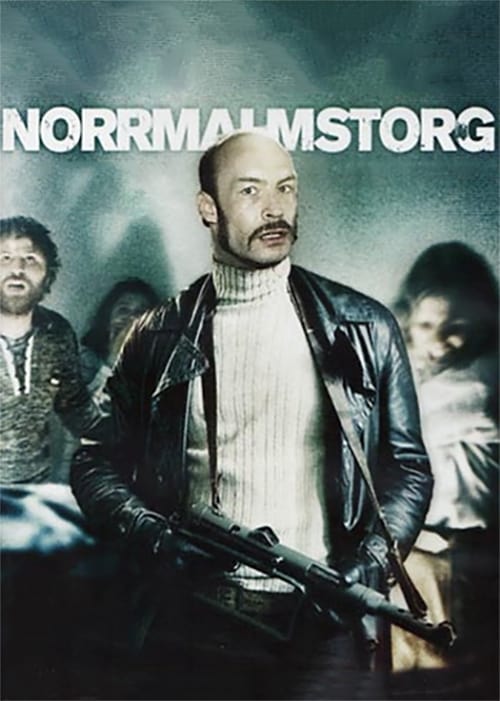
Stockholm Syndrome (2003) is a specialized historical drama that prioritizes psychological realism over broad demographic inclusion. It focuses on the 1973 Norrmalmstorg robbery, emphasizing the breakdown of standard power dynamics. While the film lacks significant diversity in race and LGBTQ+ representation, it offers a sophisticated departure from binary crime narratives. It disrupts the traditional hero/villain dichotomy through complex human psychological responses. Ultimately, the film's value lies in its exploration of how extreme trauma complicates the relationship between victim and aggressor, rather than its representation of diverse social identities.
Category Breakdown
The film doesn't prominently feature LGBTQ+ characters or non-assuming gender matches what was assigned at birth identities. Its focus is on the psychological tension of the hostage situation rather than LGBTQ+ representation.
Gender roles tend to follow traditional protector and protected archetypes. However, female hostages may show ability to act through emotional resilience and psychological maneuvering during the crisis.
Set in 1973 Stockholm, the film reflects the demographic homogeneity of that era. The localized Swedish setting naturally limits ethnic diversity within the cast.
The story critiques state authority and institutional stability. It explores moral relativism by focusing on the psychological bond between captor and captive.
The film explores mental health through the lens of Stockholm Syndrome. It examines cognitive responses to trauma, though it risks treating psychological vulnerability as a plot device.
Present on Screen
Limited or Absent
Official Synopsis
This is the true story of the failed bank robbery-cum-hostage taking in a bank at the square Norrmalmstorg in Stockholm, in September 1973. The Stockholm Syndrome is named after this incident.
2019

2003

2010

2003

2022

2015

2006
2022
No reviews yet. Be the first to share your thoughts on this movie!
Use the rating form above to leave a star rating and optional review.