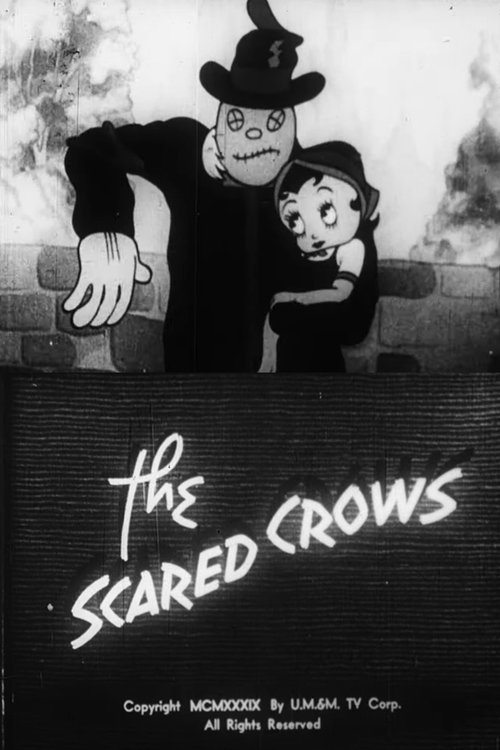
The Scared Crows
1939
No user ratings available yet
Representation score: 0.4 out of 10
Representation Score
Minimal
1936
GDirector
Tex Avery
Runtime
8 minutes
Average Rating
No ratings yetNew Showbiz Analysis
This 1936 Tex Avery short functions as a generational study of labor and identity. It follows a scarecrow father passing vocational traditions to his son, moving from a domestic setting to a professional field. The film is a product of its era, reinforcing traditional Western institutions like the nuclear family. It lacks complexity in reflecting multiple aspects of identity, adhering instead to the conventional social hierarchies of the 1930s. While the animation style is foundational to the medium, the narrative itself remains strictly traditionalist, focusing on patriarchal continuity and domestic stability.
Category Breakdown
The story focuses entirely on a father-son relationship that assumes both characters are straight and cisgender. There is no depiction of same-sex relationships or non-binary identities.
The narrative centers on the transmission of masculine labor and mentorship within a patriarchal family structure. It reinforces traditional gender roles without challenging them.
As an animation featuring anthropomorphic scarecrows, the film lacks human racial or ethnic markers. The cast is uniform within its specific character type.
The film emphasizes family legacy and vocational discipline. A bedtime prayer sequence reinforces traditional religious practices and social structures.
No visible or invisible disabilities are portrayed. The characters function within the standard physical parameters of their animated archetypes.
Present on Screen
Limited or Absent
Official Synopsis
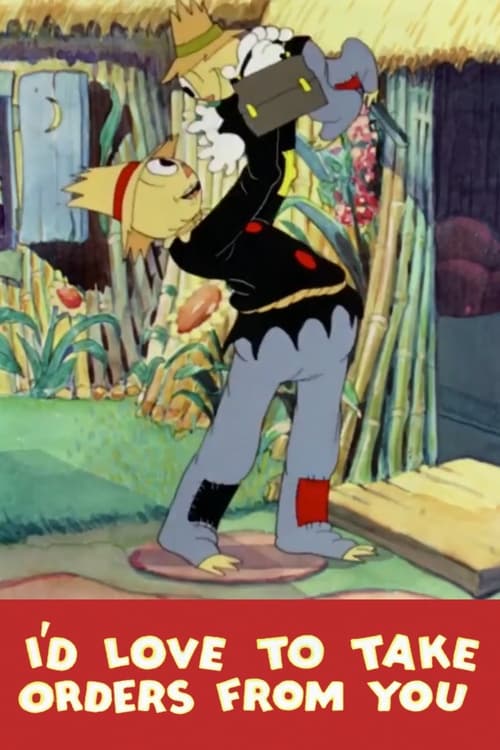
Quitting time for a scarecrow. He gets home, and his little boy scares him. To the title song, he teaches his son the basics of scare-crowing. Bedtime for junior; he prays to be a big scarecrow, just like his daddy. The next morning he sneaks out before anyone else is up and practices scaring a rooster, a squirrel, and a rabbit. He takes up his father's place, but the crows are not impressed; in fact, the crow goes on the attack.
1939
1938
1955
1945
1945
1943
1951
1946
No reviews yet. Be the first to share your thoughts on this movie!
Use the rating form above to leave a star rating and optional review.