The Biggest Bundle of Them All
1968
No user ratings available yet
Diversity score: 2.5 out of 10
1956
Director
Joseph Sterling
Runtime
29 minutes
Average Rating
No ratings yetSynopsis
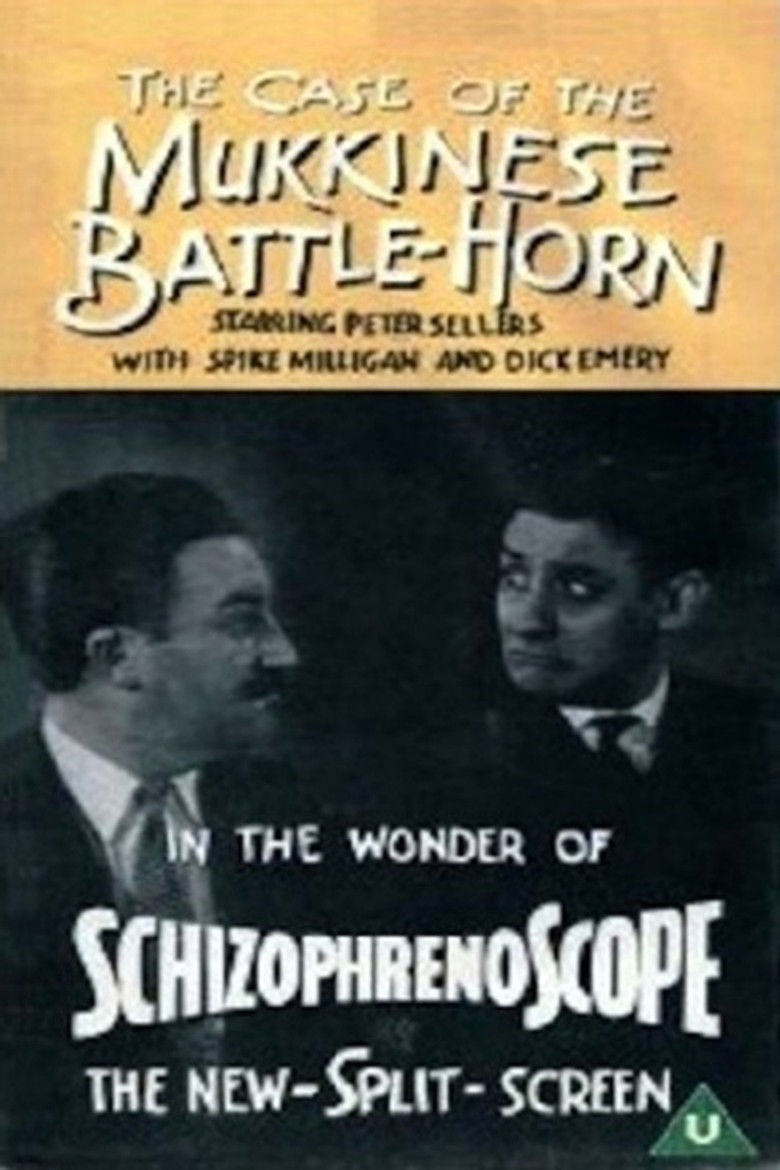
Supposedly filmed in 'Schizophrenoscope', it concerns Inspector Quilt of Scotland Yard's attempts to retrieve a 'Mukkinese Battlehorn' stolen from a London museum. Along the way he meets characters not dissimilar to Eccles, Henry Crun and Minnie Bannister from The Goon Show. This attempt to adapt Goon humour to the big screen was written by Harry Booth, Jon Penington and regular Goon show co-writer Larry Stephens. It was then heavily rewritten on the filmset by Sellers and Milligan.
Overall Score
Limited
Category Breakdown
LGBTQ+ Representation
The film lacks explicit LGBTQ+ identities or non-heteronormative narratives. Given the 1956 setting, any such representation would likely be relegated to coded subtext rather than intentional character development.
Gender Representation
The story centers on Inspector Quilt's investigation. While characters like Minnie Bannister appear, the film relies on established comedic archetypes without evidence of women driving the plot or subverting hierarchies.
Racial & Ethnic Diversity
A stolen 'Mukkinese Battle-Horn' implies a connection to non-Western cultures. However, these elements likely function as exoticized plot devices rather than nuanced explorations of ethnic identity or agency.
Religious & Cultural Diversity
The narrative uses absurdity to mock authority and traditional institutions. It functions within mid-century Western comedic tropes rather than exploring explicit anti-capitalist or secularist frameworks.
Disability Representation
The 'Schizophrenoscope' technique suggests a fragmented visual style. While this may mirror neurodivergent perception, there is no evidence of characters with disabilities possessing depth or agency.
Strengths
Areas for Improvement
AI Analysis
The film's low diversity score is a reflection of the systemic lack of intersectional representation prevalent in 1956 British cinema. The narrative is built upon the absurdist, surrealist traditions of *The Goon Show*, prioritizing non-sequiturs and the subversion of logic over social complexity. While the plot introduces non-Western elements through the stolen artifact, these appear to be used as exoticized props rather than meaningful cultural explorations. The creative focus remains on deconstructing traditional narrative structures through anarchy and comedic tropes. Ultimately, the film's pedigree suggests a work designed for stylistic experimentation and slapstick humor, which leaves little room for the nuanced character development required for high diversity scores.
1968
1943
1957
1937
1945
1954
1952
1958
1973
1946
1948
1962
No reviews yet. Be the first to share your thoughts on this movie!
Use the rating form above to leave a star rating and optional review.