
The Escape
1991
No user ratings available yet
Representation score: 4.7 out of 10
Representation Score
Limited
1962
Director
Kamal El Sheikh
Runtime
130 minutes
Average Rating
No ratings yetNew Showbiz Analysis
The film is a work of social realism that prioritizes cultural and systemic critique over demographic diversity. While it lacks LGBTQ+ representation and features limited women's ability to drive the story, it excels in its authentic portrayal of Egyptian identity and class struggle. Its strength lies in its sophisticated deconstruction of the social contract. By framing criminal behavior as a result of an oppressive environment, the film challenges traditional morality and state institutions. Ultimately, the film's value is found in its post-colonial perspective, using the protagonist's tragic journey to highlight the exclusion of the urban poor.
Category Breakdown
The film follows the social norms of 1960s Cairo and does not include characters with non-traditional gender identities or same-sex relationships.
The story focuses on masculine struggles and male-driven ability to act. Women mainly play supporting or domestic roles and do not significantly influence the main plot.
The film showcases a culturally homogeneous Egyptian cast, avoiding Western-centric casting to authentically represent local identity and urban life.
The story critiques power structures and capitalism, presenting the protagonist's actions as a response to economic hardship and systemic failures.
There are no significant portrayals of physical or cognitive disabilities used as central plot devices or character traits.
Present on Screen
Limited or Absent
Official Synopsis
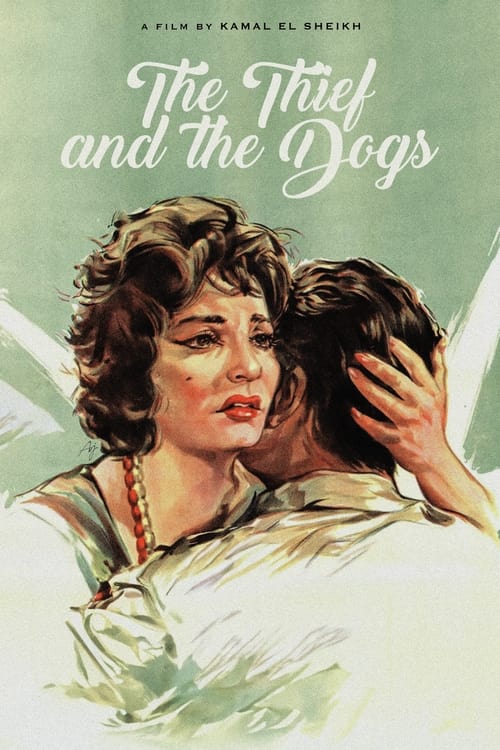
This film, inspired by Naguib Mahfouz' The thief and the dogs, tells the story of Mahran, a thief who quickly ascends to be the head of his gang. However, his second in command conspires against Mahran to take his position and his wife. After his prison term, Mahran is thirsty for revenge. But being chased by the police and by his new enemies destines him to a tragic life in hiding.
1991
1979
1954

1955
1973

1959
1991
1969
No reviews yet. Be the first to share your thoughts on this movie!
Use the rating form above to leave a star rating and optional review.