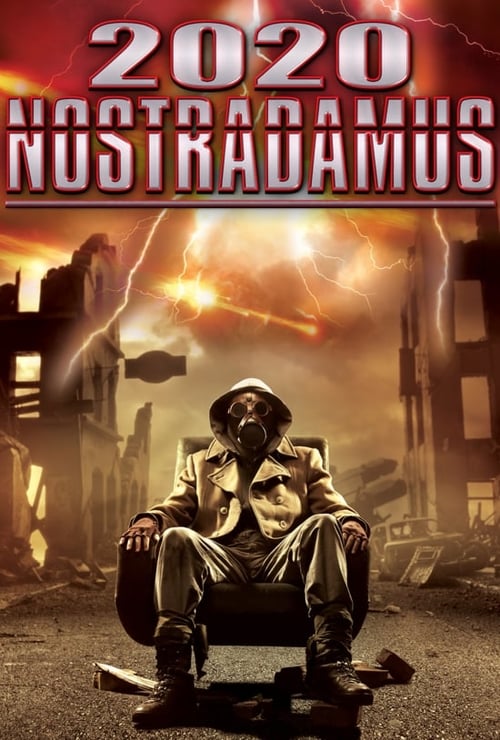
2020 Nostradamus
2017
No user ratings available yet
Representation score: 0.6 out of 10
Representation Score
Minimal
2007
PGDirector
Kreg Lauterbach
Runtime
91 minutes
Average Rating
No ratings yetNew Showbiz Analysis
The documentary functions as a traditional historical inquiry, prioritizing the forensic validation of a Renaissance-era manuscript over exploring social identities. Its narrative structure revolves around a singular, patriarchal historical figure, which limits the scope of gender representation. While the film engages with global geopolitical contexts, such as the Middle East, it maintains a predominantly Eurocentric perspective. The thematic focus on Western religious structures and prophecy reinforces a conventional historical framework rather than a diverse or inclusive one. Ultimately, the film lacks the intentionality needed to challenge systemic power dynamics or present a wide array of cultural identities, remaining rooted in established academic and religious traditions.
Category Breakdown
The documentary focuses on forensic analysis and historical manuscripts. There are no LGBTQ+ characters or narratives addressing non-straight identities.
The narrative centers on the historical figure of Nostradamus. The film lacks indications of women's empowerment or challenges to traditional gender roles.
While the film touches on Middle Eastern geopolitical issues, the primary focus remains Eurocentric. It does not appear to use diverse casting to challenge historical narratives.
The film explores Western religious beliefs through the lens of Roman Popes and the apocalypse. It adheres to traditional religious and historical inquiry.
The production focuses strictly on the forensic authenticity of a manuscript. There are no characters with physical or neurodevelopmental disabilities.
Present on Screen
Limited or Absent
Official Synopsis
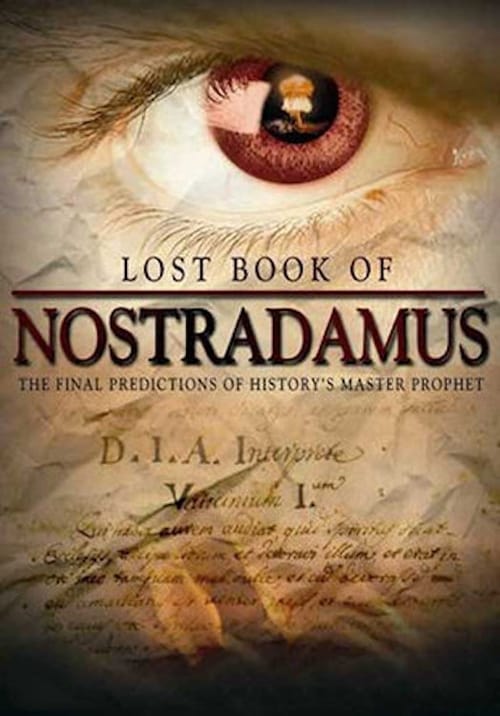
Nostradamus, history’s greatest prophet, is credited with predicting some of the world’s most shocking events hundreds of years before they ever took place. Now, THE HISTORY CHANNEL reveals a recently unearthed manuscript containing cryptic predictions that may have been written and illustrated by the famed prophet. The book Prophecy of the Roman Popes lay hidden for over 400 years until its recent discovery and may contain new predictions (including the crisis in the middle east and the apocalypse). This feature-length documentary examines the book to shed new light on Nostradamus’ most famed prophesies and uses forensic analysis to determine its authenticity. Nostradamus’ words and illustrations are brought to life through state-of-the-art CGI animation and dramatic reenactments. As we examine both the man and his myth, the LOST BOOK OF NOSTRADAMUS reveals the truth about history’s most infamous prophet and the significance of his final words.
2017

2012
2010

2007
1981
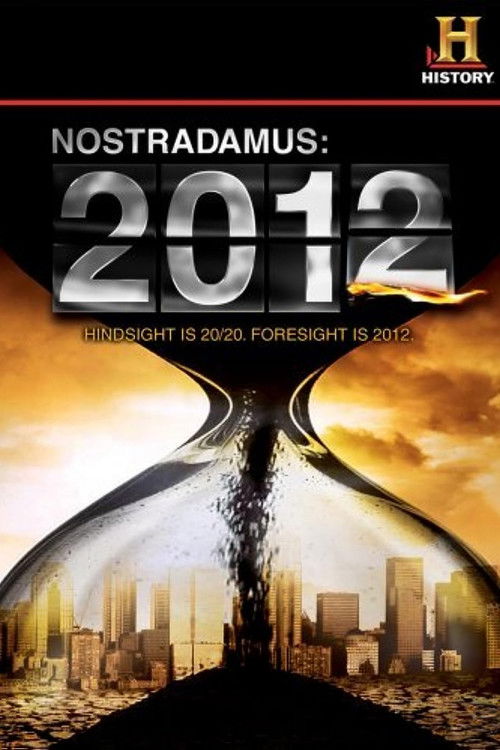
2009
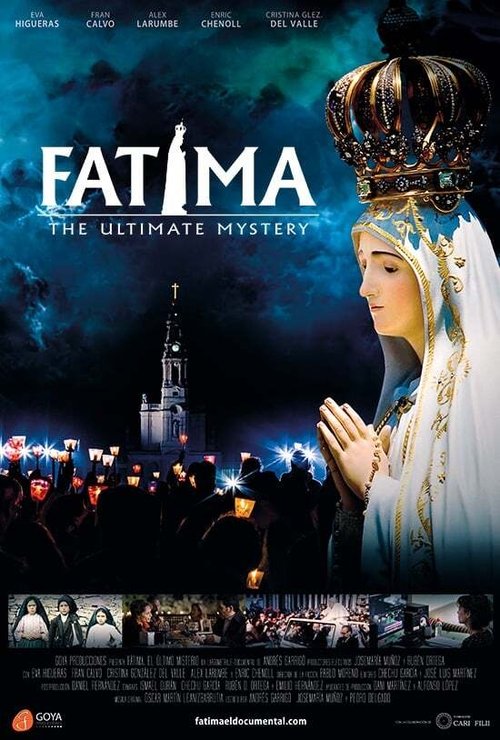
2018
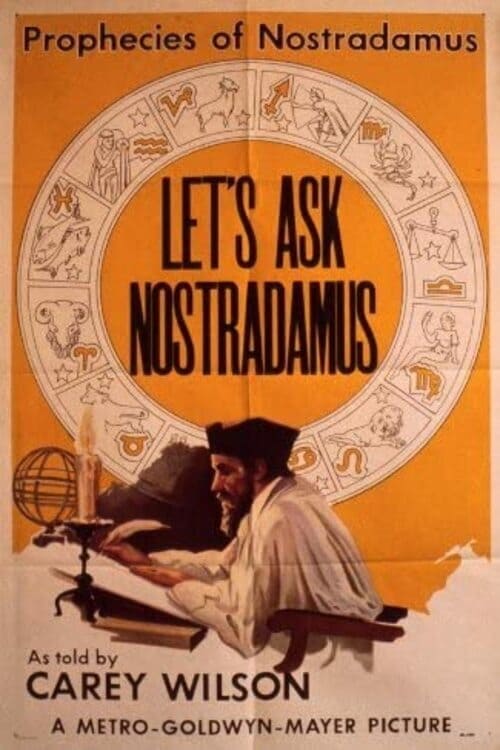
1938
No reviews yet. Be the first to share your thoughts on this movie!
Use the rating form above to leave a star rating and optional review.