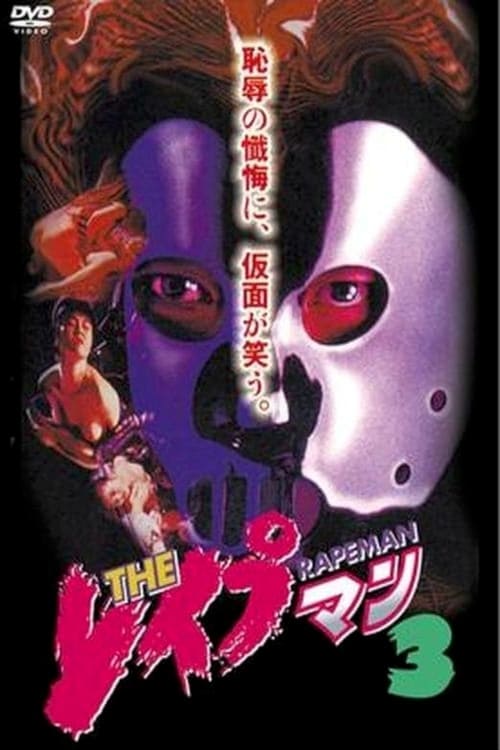
The Rapeman 3
1994
No user ratings available yet
Representation score: 2.2 out of 10
Representation Score
Limited
1993
Director
Takao Nagaishi
Runtime
75 minutes
Average Rating
No ratings yetNew Showbiz Analysis
Rapeman 1 operates as a transgressive crime comedy that prioritizes shock value and genre clichés over characters who reflect more than one aspect of diversity. While it challenges social taboos, it does so through a lens of sexual politics rather than identity empowerment. The film's architecture relies on a male-centric vigilante cliché, centering male control while relegating women to roles defined by their relationship to sexualized revenge or victimization. Ultimately, the work functions within a localized, culturally specific framework, lacking the intentionality required to move beyond traditional hierarchies, focusing instead on a chaotic, anti-establishment worldview.
Category Breakdown
The film focuses on power dynamics and sexual violence without meaningful representation of LGBTQ+ identities or non-cisgender identities.
Female characters primarily serve as victims or architects of revenge schemes, reinforcing traditional gender roles where men are protectors and women are manipulated.
The cast and setting appear ethnically homogeneous, with no indication of multicultural casting or the use of non-human metaphors to represent racial diversity.
The story displays skepticism toward political institutions and the sanctity of the family, adopting a cynical, anti-establishment posture regarding authority and justice.
There is no evidence of characters with visible or invisible disabilities. Disability is not utilized as a narrative device in this work.
Present on Screen
Limited or Absent
Official Synopsis
In this first installment of the series - we are introduced to Keisuke: mild mannered school-teacher by day - avenging angel of rape by night - and his goofy Uncle, who together run Rapeman Services. Their "services" are called-upon by a nightclub owner who tells a sob story about having her boyfriend, a current political candidate, stolen by his secretary, and asks Rapeman to "take care of her" as an act of revenge. This is done per the nightclub owner's request - but we soon find that the story was just a cover to cause a bigger scandal that involves rival a seedy rival politician and the Yakuza...
1994

2021
1994
1976

1992

1987
1995
1998
No reviews yet. Be the first to share your thoughts on this movie!
Use the rating form above to leave a star rating and optional review.