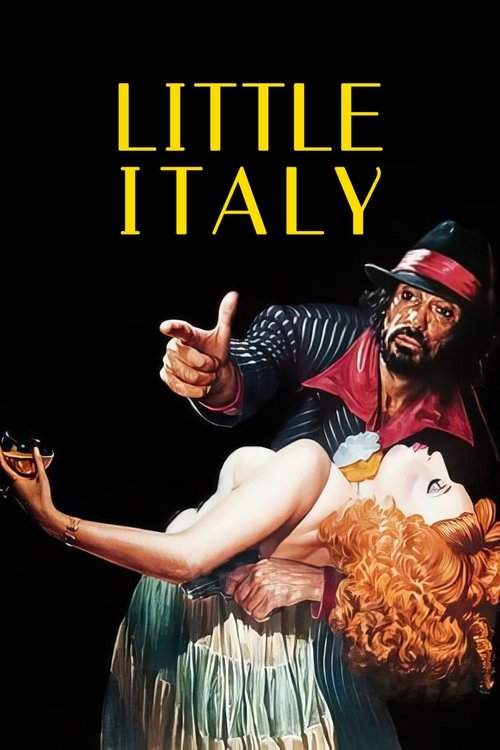
Little Italy
1978
No user ratings available yet
Representation score: 1.4 out of 10
Representation Score
Limited
1979
Director
Bruno Corbucci
Runtime
90 minutes
Average Rating
No ratings yetNew Showbiz Analysis
The film adheres to the established conventions of the late 1970s crime genre. It relies heavily on traditional archetypes, such as the heroic agent and the crime boss, to drive the plot. Rather than challenging social or gender hierarchies, the narrative reinforces them. The storytelling prioritizes traditional masculinity and heterosexual romantic conflict, limiting the depth of its social representation. Ultimately, the work functions as a standard crime comedy. It lacks the intentionality needed to disrupt conventional expectations, focusing instead on genre clichés and localized ethnic settings.
Category Breakdown
The film follows a conventional structure where everyone is assumed to be straight or cisgender. There is no representation of LGBTQ+ identities.
The film emphasizes traditional gender roles. The male lead is actively involved in his job, while the female character is primarily defined by her physical appearance and her role as a romantic interest.
The film is set in Little Italy, providing a specific ethnic backdrop. However, the story focuses on local crime dynamics without exploring broader diversity.
The film operates within a standard crime-comedy framework. It reinforces traditional views of authority and social order through a simple law versus crime dichotomy.
There is no mention of characters with visible or invisible disabilities in the narrative.
Present on Screen
Limited or Absent
Official Synopsis
Now an agent of Interpol undercover, the former Inspector Giraldi, goes to New York to find his friend Salvatore Esposito, aspiring restaurateur in Little Italy, suffocated by debts with the usurers headed by Don Gerolamo. He will remove the gang and assure her of justice, but she will suffer the advances of the Boss's daughter, the ugly Maria Sole.
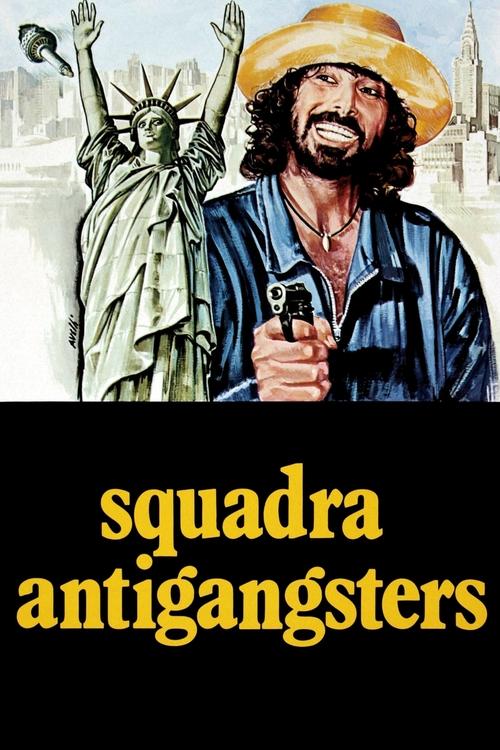
1978
1973

1980

1976

1982
1988
1973
1984
No reviews yet. Be the first to share your thoughts on this movie!
Use the rating form above to leave a star rating and optional review.