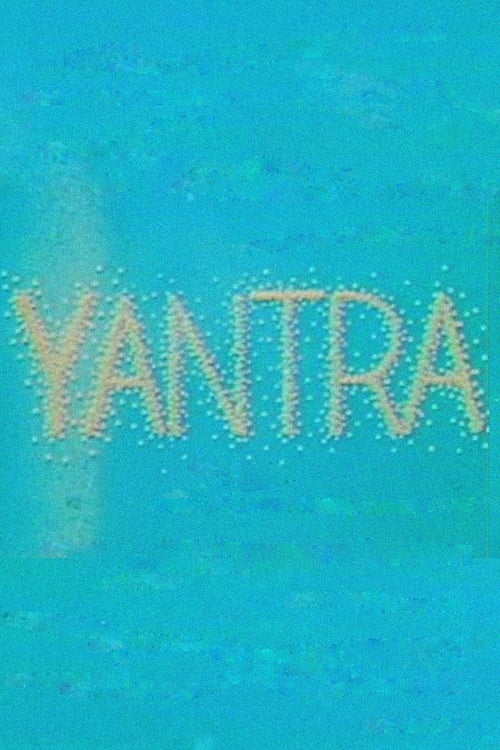
Yantra
1957
No user ratings available yet
Representation score: 7.2 out of 10
Representation Score
Fair
1957
Director
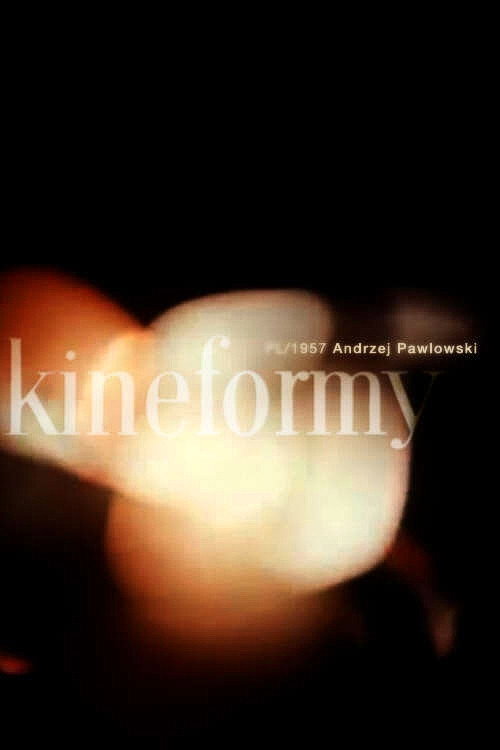
Andrzej Pawłowski
Runtime
7 minutes
Average Rating
No ratings yetNew Showbiz Analysis
Pawłowski’s experimental animation achieves neutrality through abstraction. By using light and optical phenomena instead of human subjects, the film sidesteps traditional social hierarchies. Without dialogue or human subjects, the film avoids racial and gender stereotypes. It functions as a formalist critique of early cinema, focusing on light and movement rather than character-driven narratives. Ultimately, the film's diversity lies in its abstract approach, which challenges conventional representation.
Category Breakdown
The film doesn't show any specific LGBTQ+ identities or romantic relationships. Instead, it focuses on light and motion, creating a space without traditional gender or sexual markers.
By removing human subjects and focusing on light and color, the film avoids traditional gender roles and stereotypes. It presents a fluid, non-gendered aesthetic.
Since the film centers on light and lenses, it doesn't include actors based on race. Its abstract nature avoids racial stereotypes.
The film reimagines early cinema techniques, focusing on light and movement rather than traditional narrative structures. It offers a formalist critique without human subjects.
The film does not feature human subjects, so there are no characters to assess for disability or neurodivergent representation.
Present on Screen
Limited or Absent
Official Synopsis
Soft clouds of light rotate, fan out and change colour: With his cosmic “Luxograms”, Pawłowski radically rethinks the Lumières’ serpentine dance and dematerialises the moving body. It exists neither on a real stage nor in the shape of a real dancer but solely in the projection with a sophisticated system of optical lenses.
1957

1971

1957
1960
1921
1973
1935

1959
No reviews yet. Be the first to share your thoughts on this movie!
Use the rating form above to leave a star rating and optional review.