Primary
1960
No user ratings available yet
Diversity score: 1.1 out of 10
1964
Not RatedDirector
Robert Drew
Runtime
12 minutes
Average Rating
No ratings yetSynopsis
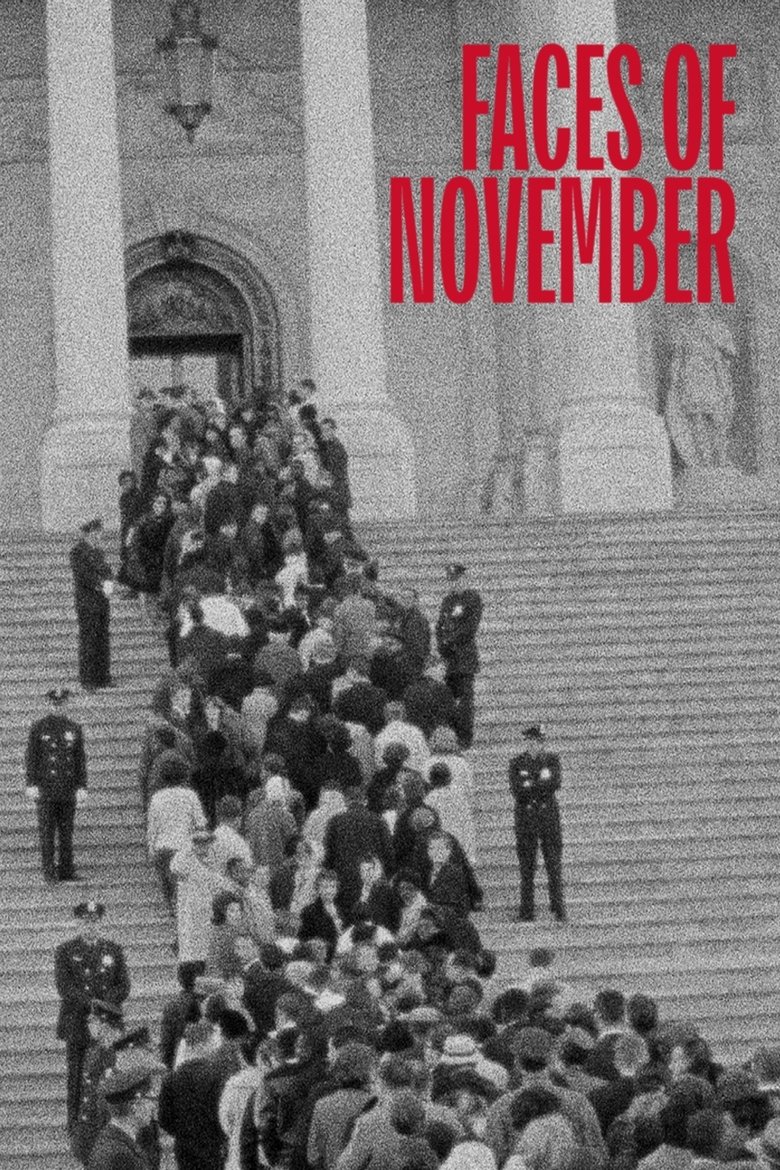
Robert Drew shows the sights and sounds from the funeral of President John F. Kennedy in November, 1963. Preserved by the Academy Film Archive in 2002.
Overall Score
Limited
Category Breakdown
LGBTQ+ Representation
The film focuses strictly on the official mourning of a political figure. There are no LGBTQ+ characters or narratives present in this historical record.
Gender Representation
Representation of women is incidental to the ceremonial aspects of the funeral. The film reflects the gendered social roles of the early 1960s without subverting them.
Racial & Ethnic Diversity
The footage captures a demographic snapshot of the 1963 Civil Rights era. However, the focus on the Kennedy administration reflects the systemic racial hierarchies of that period.
Religious & Cultural Diversity
The documentary captures a moment of intense traditionalism and state ritual. It preserves Western institutional mourning rather than engaging in cultural critique.
Disability Representation
Disability is not a visible or thematic element within this observational documentary. No specific representation is noted.
Strengths
Areas for Improvement
AI Analysis
Faces of November serves as a historical artifact of a specific national moment. As a work of Direct Cinema, it captures the reality of 1963 rather than attempting to construct a diverse narrative. The film's composition is dictated by the official proceedings of a state funeral. Because the subject matter is centered on the Kennedy administration and institutionalized grief, the representation is limited by the social constraints of the era. The film documents the status quo of the early 1960s, reflecting the political and social hierarchies of the time.
1960

1964

2002
2013

1993
2013

2004

1956
2002

1963

1953
1985
No reviews yet. Be the first to share your thoughts on this movie!
Use the rating form above to leave a star rating and optional review.