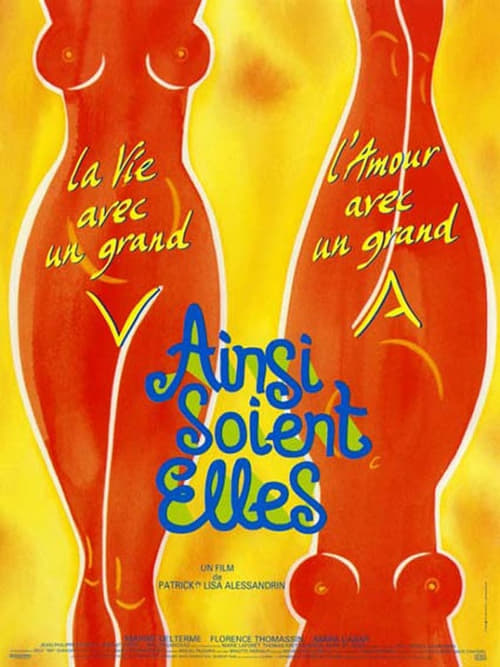
Women
1995
No user ratings available yet
Representation score: 5.2 out of 10

Representation Score
Fair
1996
Director
Martine Dugowson
Runtime
111 minutes
Average Rating
No ratings yetNew Showbiz Analysis
Shadow Play is a character-driven psychological study that excels in its depiction of female subjectivity. By centering the professional and emotional lives of its female protagonists, the film successfully challenges traditional gender hierarchies and avoids treating women as secondary characters. However, the film lacks diversity in its representation. The narrative remains largely confined to heterosexual frameworks and a homogeneous racial landscape, which limits its progressive reach. The focus on localized, secular social strata prevents a more diverse exploration of identity. Ultimately, the film is a specialized exploration of gendered ability to act. While it offers deep psychological insight into its female leads, it misses opportunities to engage with broader racial or LGBTQ+ perspectives.
Category Breakdown
The film focuses on heterosexual relationships and age-gap dynamics. It lacks explicit representation of non-binary gender identities or narratives that challenge traditional structures.
The narrative centers the professional and emotional lives of women such as Ada and Lise. It prioritizes women's roles and psychological depth over male-centric storylines.
The cast appears largely homogeneous within its mid-90s French setting. There is no significant evidence of intentional racial diversity in the central character arcs.
The film explores subjective morality and psychological relativism rather than religious codes. It depicts a secular, postmodern approach to ethics and human behavior.
There is no discernible evidence regarding the portrayal of physical or neurodivergent disabilities within the character descriptions.
Present on Screen
Limited or Absent
Official Synopsis
Ada and Lise are both costume designers, the first is around 20, the other around 30. Both are working hard on their break through. There are also jobs for the movies. This is where Lise meets producer Alphonse, who is nearly 20 years older than she. Because he is unhappy with his girlfriend a secret relationship evolves. Ada has problems as well, but she's not the only one. There are also the young Emma and Nina, as well as Yves and Guido - enough people to get into complicated relationship entanglements.
1995

1997

1996

2000

2017

1998
2000

2016
No reviews yet. Be the first to share your thoughts on this movie!
Use the rating form above to leave a star rating and optional review.