
Azzurro
2000
No user ratings available yet
Representation score: 5.5 out of 10
Representation Score
Fair
1990
PG-13Director
Giuseppe Tornatore
Runtime
121 minutes
Average Rating
No ratings yetNew Showbiz Analysis
The film succeeds by deconstructing the myth of the perfect nuclear family. It moves beyond simple domestic drama by using queer identity to challenge the protagonist's rigid, traditional worldview and patriarchal expectations. However, the film is limited by its demographic homogeneity. It remains deeply rooted in a specific socio-cultural Italian setting that lacks ethnic diversity and relies heavily on traditional gender hierarchies. Ultimately, the work is a sophisticated study of identity, prioritizing situational truth over rigid morality, and offering a nuanced look at how modern individuals navigate traditional social structures.
Category Breakdown
The film highlights a character's homosexuality as a key factor in the protagonist's disillusionment. This identity is shown as part of the character's independence rather than just a plot device.
The story centers around a traditional patriarchal figure trying to regain control over his independent children. It primarily follows established gender hierarchies, focusing on the father's struggle.
The narrative focuses on a homogeneous middle-class demographic within a specific Italian context. It does not include diverse ethnic representation, sticking to the social norms of its time.
The film critiques the performance of a successful, traditional family through a lens of moral relativism. It suggests that maintaining a perfect family image is a form of systemic performance.
There are no prominent depictions of physical or neurodivergent disabilities that serve as central character drivers in this narrative.
Present on Screen
Limited or Absent
Official Synopsis
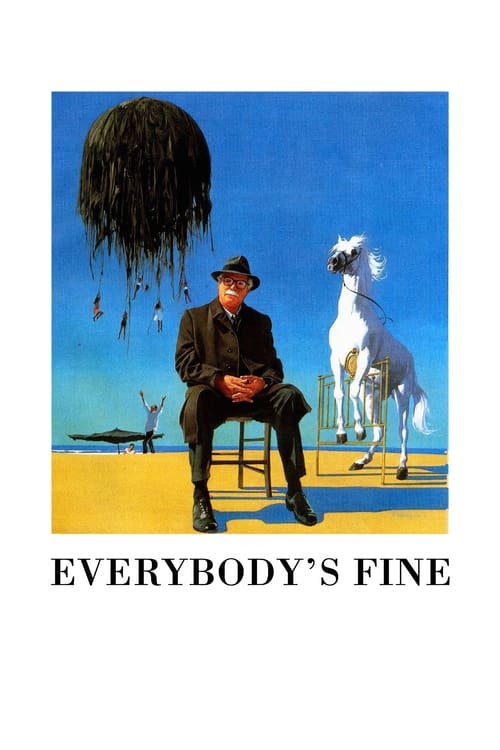
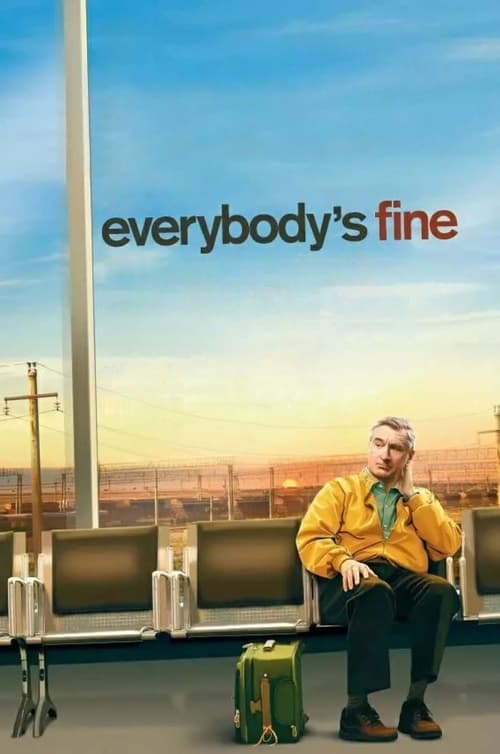
Matteo Scuro is a retired Sicilian bureaucrat, a widower with five children, all of whom live on the mainland and hold responsible jobs. He decides to surprise each with a visit and finds none as he imagined.
2000

1995
1990
2008

2010

1989
1990
2009
No reviews yet. Be the first to share your thoughts on this movie!
Use the rating form above to leave a star rating and optional review.