Homicide: The Movie
2000
No user ratings available yet
Diversity score: 6.3 out of 10
1999
NRDirector
Leon Ichaso
Runtime
98 minutes
Average Rating
No ratings yetSynopsis
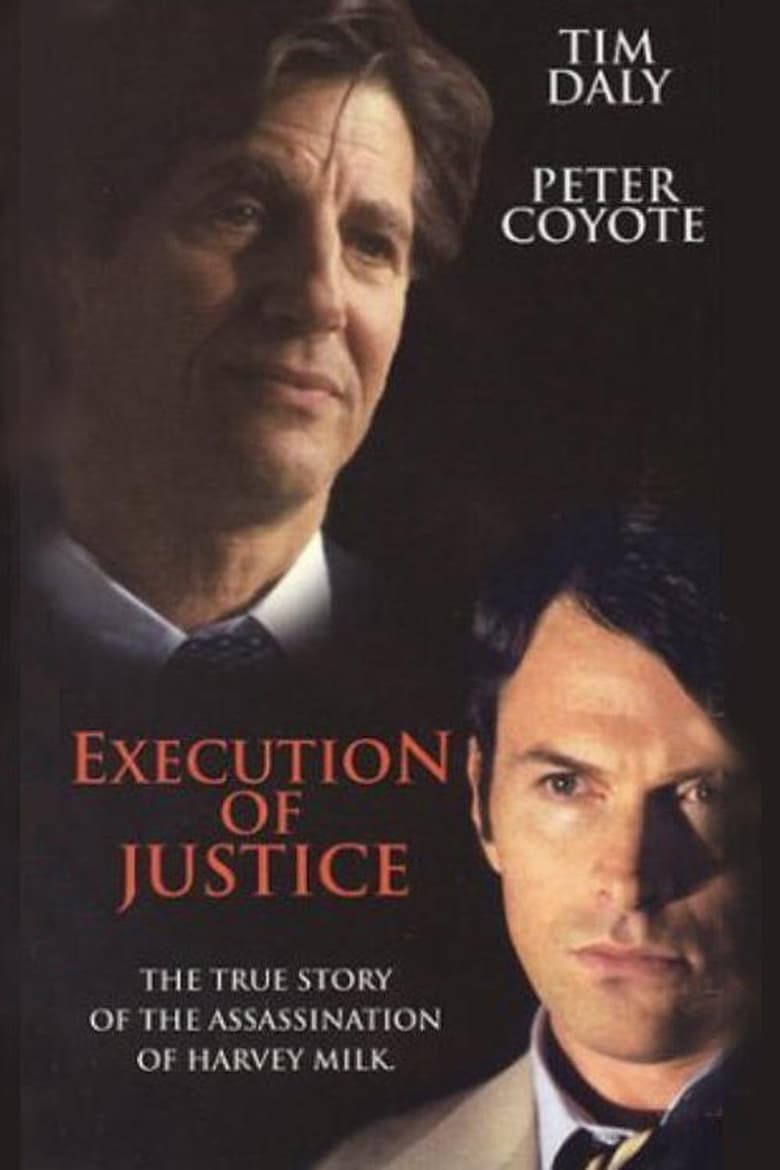
The true story of the assassination of San Francisco Mayor George Moscone and City Supervisor Harvey Milk on November 27, 1978. The case of assassin Dan White has become known as the "Twinkie defense" after his sentence was reduced from first-degree murder to voluntary manslaughter. White served five years in prison and committed suicide in 1985.
Overall Score
Good
Category Breakdown
LGBTQ+ Representation
The film centers on the lives and assassinations of Harvey Milk and George Moscone. By highlighting Milk’s activism, the story moves queer identity from the periphery to a central driver of social change.
Gender Representation
The narrative focuses heavily on masculine-coded spheres like urban politics and criminal justice. While it explores the impact of political violence, agency remains concentrated among male protagonists and antagonists.
Racial & Ethnic Diversity
Set in a multicultural San Francisco, the film reflects a diverse urban landscape. However, the primary conflict focuses on specific political identities rather than prioritizing a non-Anglo-Saxon majority cast.
Religious & Cultural Diversity
The film critiques the Western judicial system through the lens of the 'Twinkie defense.' It frames the legal outcome as a systemic failure, challenging the perceived stability of institutional justice.
Disability Representation
There is no significant evidence of characters with visible or invisible disabilities serving as central narrative drivers or plot devices.
Strengths
Areas for Improvement
AI Analysis
Execution of Justice serves as a historical critique of institutional efficacy. It succeeds by centering queer political agency and challenging the perceived infallibility of the legal system. By focusing on the assassination of Harvey Milk, the film disrupts traditional historical narratives. However, the film remains limited by its heavy focus on male-dominated political spheres. While the setting is multicultural, the narrative's core conflict does not prioritize racial diversity or elevate female agency within the political landscape. Ultimately, the film is a study of systemic loopholes and the failure of justice. It uses a specific historical tragedy to examine how institutional flaws can undermine marginalized leaders.
2000
2014

2000
1986

2003
No reviews yet. Be the first to share your thoughts on this movie!
Use the rating form above to leave a star rating and optional review.