Blind Vengeance
1990
No user ratings available yet
Representation score: 5.7 out of 10
Representation Score
Fair
1985
Director
John Erman
Runtime
100 minutes
Average Rating
No ratings yetNew Showbiz Analysis
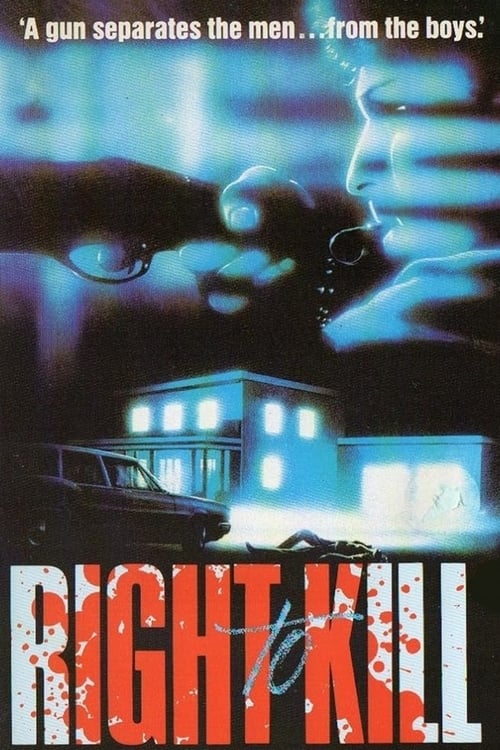
Right to Kill? succeeds as a social critique by centering Black experiences and challenging the perceived neutrality of the legal system. By focusing on a Black urban community, the film disrupts the Anglo-centric norms typical of 1980s television. However, the film struggles with gender balance, as the plot is driven primarily by male-centric conflict and masculine pressures. This narrow focus prevents a more nuanced exploration of gender roles. Ultimately, the film is a powerful study of systemic oppression and moral relativism, even if it remains silent on LGBTQ+ and disability representation.
Category Breakdown
The film does not include any queer narratives or non-straight identities. It focuses on other social and racial dynamics.
The story centers around male protagonists and the pressures of masculinity. There is a lack of significant female involvement in the main conflict, which limits the challenge of traditional gender roles.
The film features a predominantly Black cast and examines the lived experiences of a Black urban community. It critiques the intersection of race and the legal system.
The story questions Western institutional frameworks by depicting the judicial system as flawed or biased. It frames the central conflict as a response to oppressive socioeconomic and domestic structures.
There is no significant portrayal of physical or neurodivergent disabilities within the narrative.
Present on Screen
Limited or Absent
Official Synopsis
Based on true story of teens Richard and Deborah Jahnke charged in Wyoming for the killing of their abusive father.
1990

1989
2003
2011
1997
1995

2024
1991
No reviews yet. Be the first to share your thoughts on this movie!
Use the rating form above to leave a star rating and optional review.