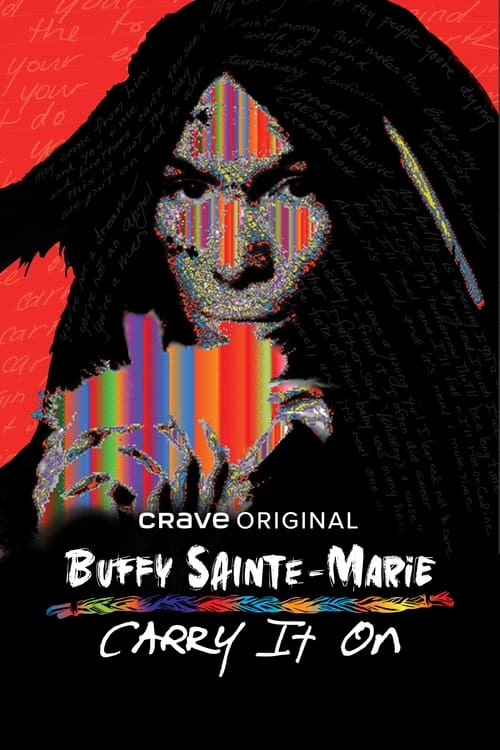
Buffy Sainte-Marie: Carry It On
2022
No user ratings available yet
Representation score: 7.1 out of 10
Representation Score
Good
1968
Director
Willie Dunn
Runtime
10 minutes
Average Rating
No ratings yetNew Showbiz Analysis
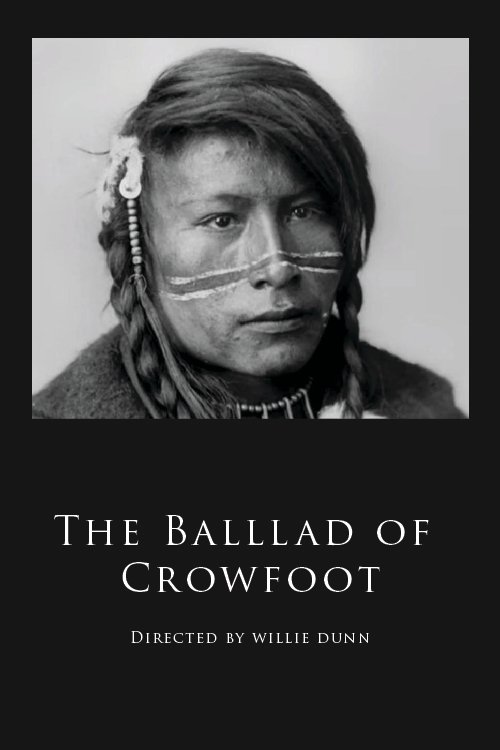
The Ballad of Crowfoot is a landmark documentary that disrupts the colonial gaze through an Indigenous-led framework. By utilizing the Indian Film Crew, the film centers Indigenous perspectives and challenges the dominance of Western historical narratives. The work excels in racial and cultural representation, using archival montage to reclaim the history of the Blackfoot Confederacy from colonizing institutions. It effectively reframes Western expansion as a series of systemic failures rather than a civilizing mission. While the film lacks explicit representation of LGBTQ+ identities or disabilities, its strength lies in its sophisticated deconstruction of official history and its commitment to Indigenous sovereignty.
Category Breakdown
The film focuses on historical treaty negotiations and colonial history. There is no explicit depiction of LGBTQ+ identities or non-conforming gender expressions within the archival context.
The narrative centers on Chief Crowfoot, a patriarchal historical figure. However, the film challenges hierarchies by criticizing colonial structures that aimed to dismantle Indigenous social orders.
This work represents exceptional diversity through an all-Indigenous production team. By telling Siksika history, it disrupts the Anglo-centric documentary traditions of the 1960s.
The film is fundamentally anti-colonial, critiquing Western legal institutions. It prioritizes a non-Western perspective on justice and sovereignty regarding Treaty 7.
There is no significant portrayal of physical or neurodivergent disabilities in this work.
Present on Screen
Limited or Absent
Official Synopsis
Released in 1968 and often referred to as Canada’s first music video, The Ballad of Crowfoot was directed by Willie Dunn, a Mi’kmaq/Scottish folk singer and activist who was part of the historic Indian Film Crew, the first all-Indigenous production unit at the NFB. The film is a powerful look at colonial betrayals, told through a striking montage of archival images and a ballad composed by Dunn himself about the legendary 19th-century Siksika (Blackfoot) chief who negotiated Treaty 7 on behalf of the Blackfoot Confederacy. The IFC’s inaugural release, Crowfoot was the first Indigenous-directed film to be made at the NFB.
2022
2018
2014

1983
1969
2006
2011
1982
No reviews yet. Be the first to share your thoughts on this movie!
Use the rating form above to leave a star rating and optional review.