Resurface
2017
No user ratings available yet
Representation score: 6.9 out of 10
Representation Score
Excellent
2014
Director
Sara Dosa
Runtime
78 minutes
Average Rating
No ratings yetNew Showbiz Analysis
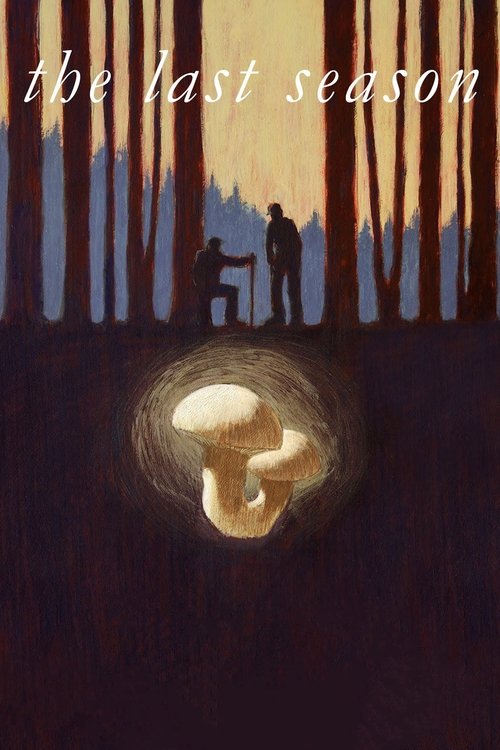
The Last Season is a nuanced documentary that moves beyond traditional veteran narratives. By centering the relationship between a Vietnamese War sniper and a Cambodian refugee, it explores how disparate cultural traumas can find common ground through seasonal labor and mutual care. The film's strength lies in its ability to humanize the psychological scars of war. It avoids the cliché of the indestructible soldier, instead focusing on the fragility of aging and the necessity of emotional labor. This creates a profound study of restorative justice and human connection. While the film lacks explicit representation of specific underrepresented identities like LGBTQ+ characters, its focus on non-traditional kinship and the intersection of refugee and veteran experiences provides a rich, layered perspective on American identity.
Category Breakdown
The film doesn't include explicit LGBTQ+ characters or romantic storylines. However, it explores the idea of chosen family through Kouy's rebuilding of his family after losing his biological relatives.
Directed by a woman, the film challenges traditional masculine stereotypes by focusing on emotional vulnerability. It replaces the stoic soldier cliché with themes of caretaking and interpersonal resilience.
The narrative excels by blending Cambodian refugee experiences with Western veteran histories. This approach disrupts homogeneous depictions of rural American life through cross-cultural connections.
The documentary focuses on subjective morality and the outsider experience rather than religious frameworks. It highlights how systemic upheavals like the Khmer Rouge shape individual identities.
The film offers a dignified portrayal of invisible disabilities, such as PTSD and alcoholism. It gives characters real power in navigating psychological trauma and declining health without sensationalism.
Present on Screen
Limited or Absent
Official Synopsis
In search of the lucrative matsutake mushroom, two former soldiers discover the means to gradually heal their wounds of war. Roger, a self-described 'fall-down drunk' and sniper in Vietnam, and Kouy, a Cambodian refugee who fought the Khmer Rouge, bonded in the bustling tent-city known as Mushroom Camp, which pops up each autumn in the Oregon woods. Their friendship became an adoptive family; according to a Cambodian custom, if you lose your family like Kouy, you must rebuilt it anew. Now, however, this new family could be lost. Roger's health is declining and trauma flashbacks rack his mind; Kouy gently aids his family before the snow falls and the hunting season ends, signaling his time to leave.
2017
2011
2014
2017
2010
2004
2016
2019
No reviews yet. Be the first to share your thoughts on this movie!
Use the rating form above to leave a star rating and optional review.