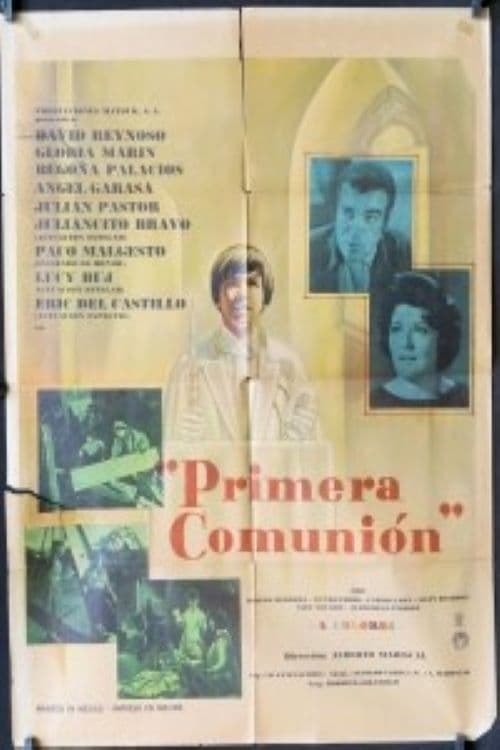
Primera Comunión
1969
No user ratings available yet
Representation score: 1.4 out of 10
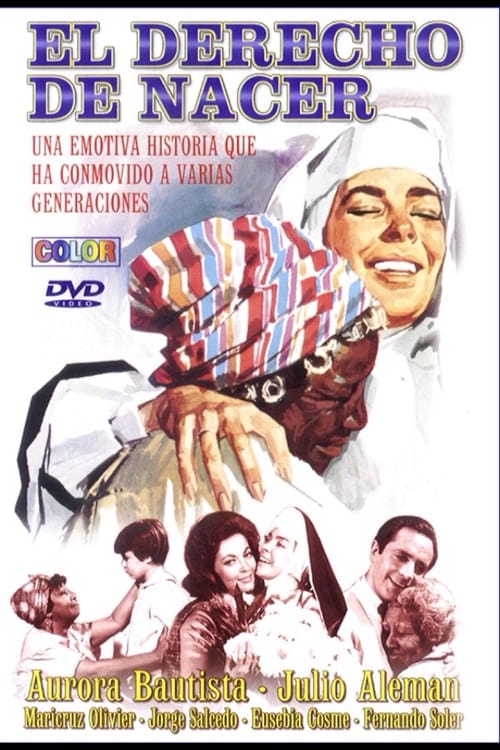
Representation Score
Fair
1966
Director
Tito Davison
Runtime
124 minutes
Average Rating
No ratings yetNew Showbiz Analysis
The film is a period-specific artifact of mid-century melodrama that prioritizes emotional catharsis over social deconstruction. It functions within the established cultural and moral hierarchies of its time rather than challenging them. Representation is largely conventional, with the narrative reinforcing traditional gender roles and social structures. The storytelling relies on heightened emotional stakes and class-based struggles common to the era's dramatic traditions. Ultimately, the work reflects the standard casting and moral frameworks of 1960s Latin American cinema, offering little in the way of systemic subversion or diverse identity exploration.
Category Breakdown
The film follows strict conventions typical of 1966, where everyone is assumed to be straight or cisgender. There is no representation of LGBTQ+ identities or non-cisgender gender expressions, and traditional romantic pairings drive the plot.
Women play a central role as the emotional core through themes of maternal crisis and suffering. However, their roles are constrained by patriarchal structures and domestic duties, limiting their influence over the story.
The cast is predominantly homogeneous, reflecting the standard casting practices of its era. While the story explores class and legitimacy issues, it does not include diverse casting to challenge the social order.
The narrative operates within traditional moral frameworks, emphasizing family sanctity and social bonds. It focuses on redemption and conventional social ties, lacking secularist critiques.
Disability is not a central theme. In this genre, such conditions often serve as mere plot devices to evoke sympathy rather than providing authentic lived experiences.
Present on Screen
Limited or Absent
1969
1963
1988
1961

1969
1965
1988

1967
No reviews yet. Be the first to share your thoughts on this movie!
Use the rating form above to leave a star rating and optional review.