
The Money Trap
1965
No user ratings available yet
Representation score: 0.5 out of 10
Representation Score
Minimal
1965
NRDirector
Ralph Nelson
Runtime
107 minutes
Average Rating
No ratings yetNew Showbiz Analysis
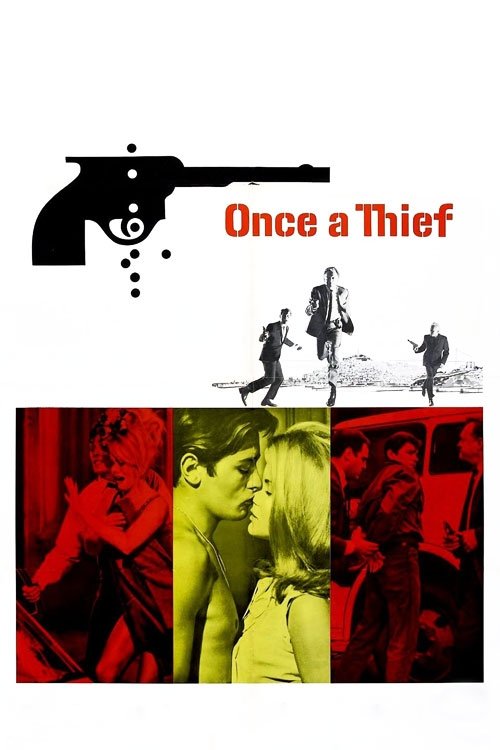
Once a Thief is a period-specific character study that emphasizes traditional narrative structures and demographic norms. It provides a nuanced look at individual morality and the complexities of personal reform, but it lacks depth in exploring diverse identities. The film functions as a mid-century urban drama focusing on the tension between personal redemption and institutional pressures. While it examines the struggles of an ex-convict trying to leave a criminal cycle, it does so through a narrow lens. Overall, the production relies on established social hierarchies and a homogeneous cast, making it a study of class and morality rather than a diverse social landscape.
Category Breakdown
The film follows the heterosexual relationships common in its time. The narrative centers on the romantic bond between the main character and his female counterpart.
The film adheres to the gender roles typical of the mid-20th century. While Kristine is crucial to the protagonist's motivations, her role remains tied to the home and her function as a stabilizing force.
The production mirrors the demographic makeup typical of mid-1960s American urban dramas. The cast is mostly white, and the story does not explore racial or ethnic diversity.
The narrative delves into moral ambiguity and the challenges of reintegration into society. Conflict is framed as a personal struggle for redemption within existing legal and social systems.
The film does not feature any disabilities as central to the plot or character development. It focuses on socioeconomic and moral issues instead.
Present on Screen
Limited or Absent
Official Synopsis
Ex-convict Eddie and his wife, Kristine, attempt to build a new life for themselves and their daughter Kathy in San Francisco, but police officer Mike Vido is determined to send Eddie back to prison.
1965
1947
1959

1952
1956

1955

1939
1949
No reviews yet. Be the first to share your thoughts on this movie!
Use the rating form above to leave a star rating and optional review.