
The Monk of Monza
1963
No user ratings available yet
Diversity score: 3.4 out of 10
1960
Director
Sergio Corbucci
Runtime
97 minutes
Average Rating
No ratings yetSynopsis
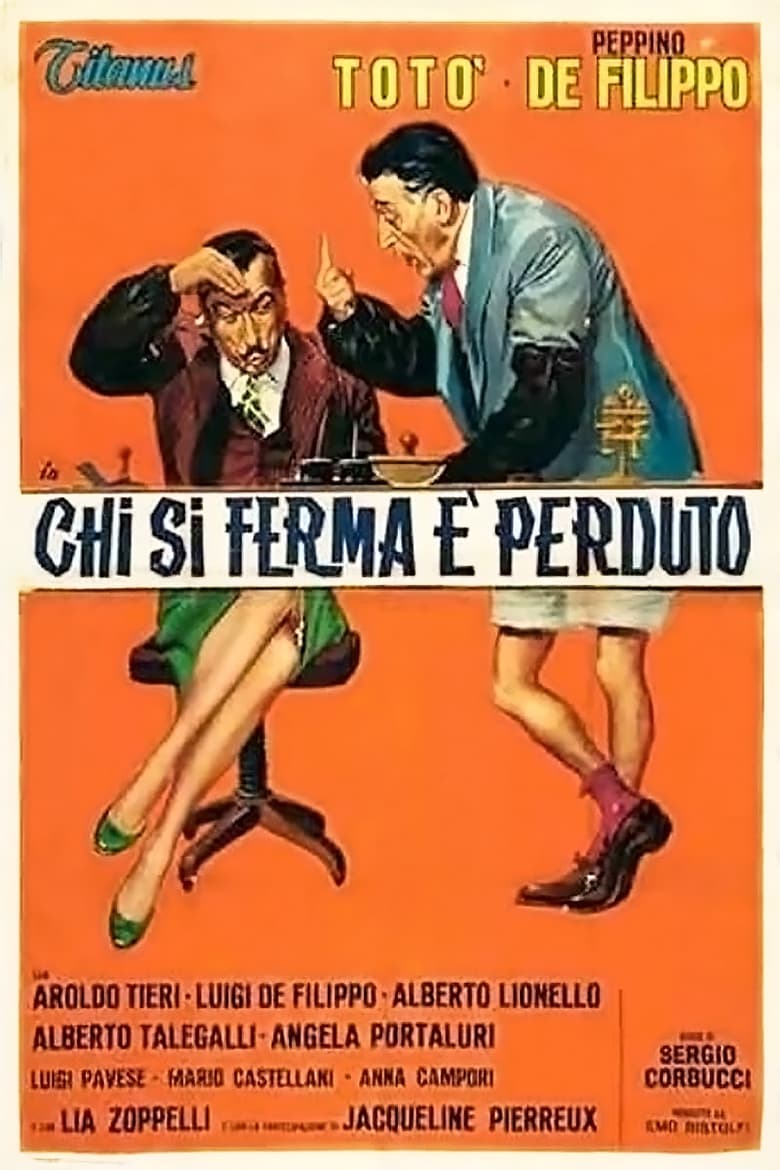
After their boss' death, two clerks eagerly await the arrival of the next one, each one of them hoping to become the apple of his eye. They compete in every possible way to impress him, which causes lots of trouble and many misunderstandings.
Overall Score
Limited
Category Breakdown
LGBTQ+ Representation
The film focuses on professional competition between two male clerks. There is no evidence of non-cisnormative identities or same-sex intimacy within the narrative.
Gender Representation
The plot centers on a male-dominated workplace hierarchy. The primary drivers are male protagonists competing for status, offering little subversion of traditional gender roles.
Racial & Ethnic Diversity
As a 1960 Italian production, the film reflects the demographic homogeneity of its era. It adheres to the traditional casting standards of mid-century European cinema.
Religious & Cultural Diversity
The story explores working-class anxieties and professional stability. It functions as a situational comedy regarding social climbing rather than a critique of institutional frameworks.
Disability Representation
There is no documented evidence suggesting the inclusion of characters with visible or invisible disabilities in this work.
Strengths
Areas for Improvement
AI Analysis
He Who Hesitates Is Lost is a traditional mid-century situational comedy that prioritizes character-driven misunderstandings over social disruption. The narrative architecture is built around professional competition and the preservation of social order within a workplace setting. The film reinforces the conventional social structures of 1960s Europe. It lacks intersectional storytelling, focusing instead on the absurdity of office hierarchies and the pursuit of status among male protagonists. Ultimately, the film operates within the established institutional frameworks of its time, offering a narrow view of social dynamics that lacks significant diversity.
1963
1977
1963
1975
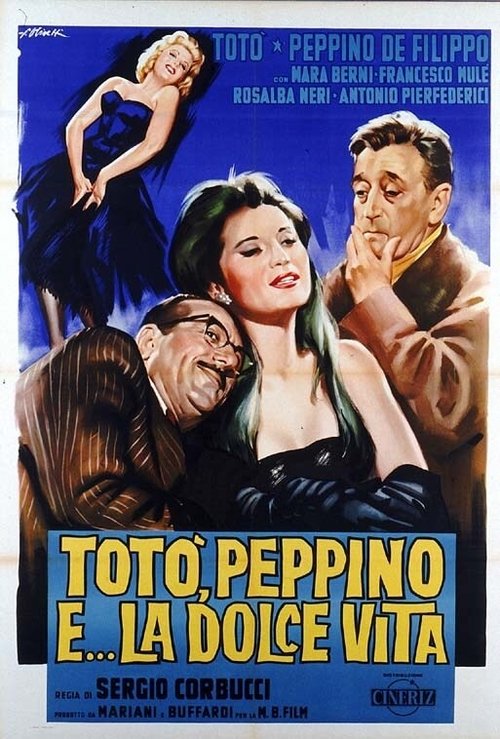
1961
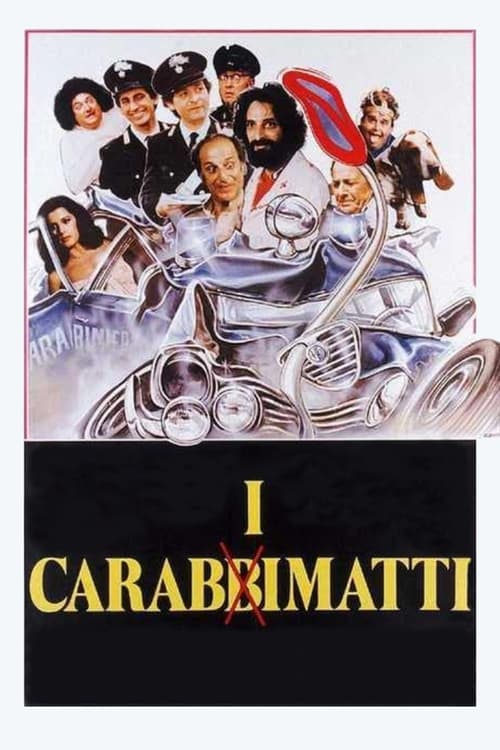
1981
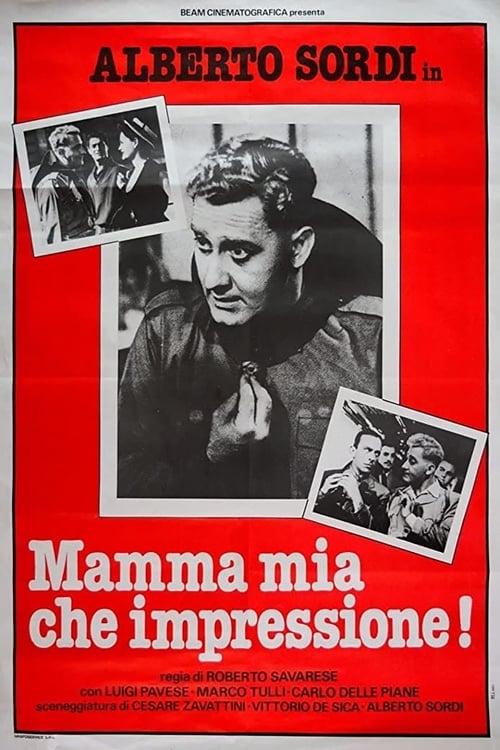
1951
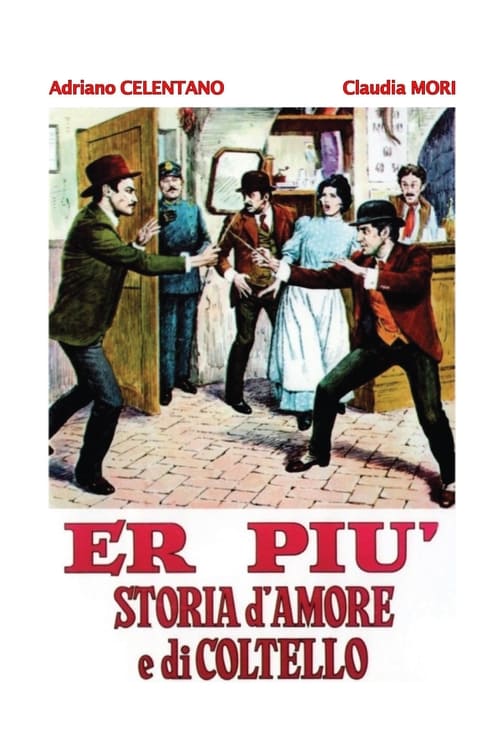
1971

1969
1969
1969

1968
No reviews yet. Be the first to share your thoughts on this movie!
Use the rating form above to leave a star rating and optional review.