
The River
1929
No user ratings available yet
Diversity score: 5.1 out of 10
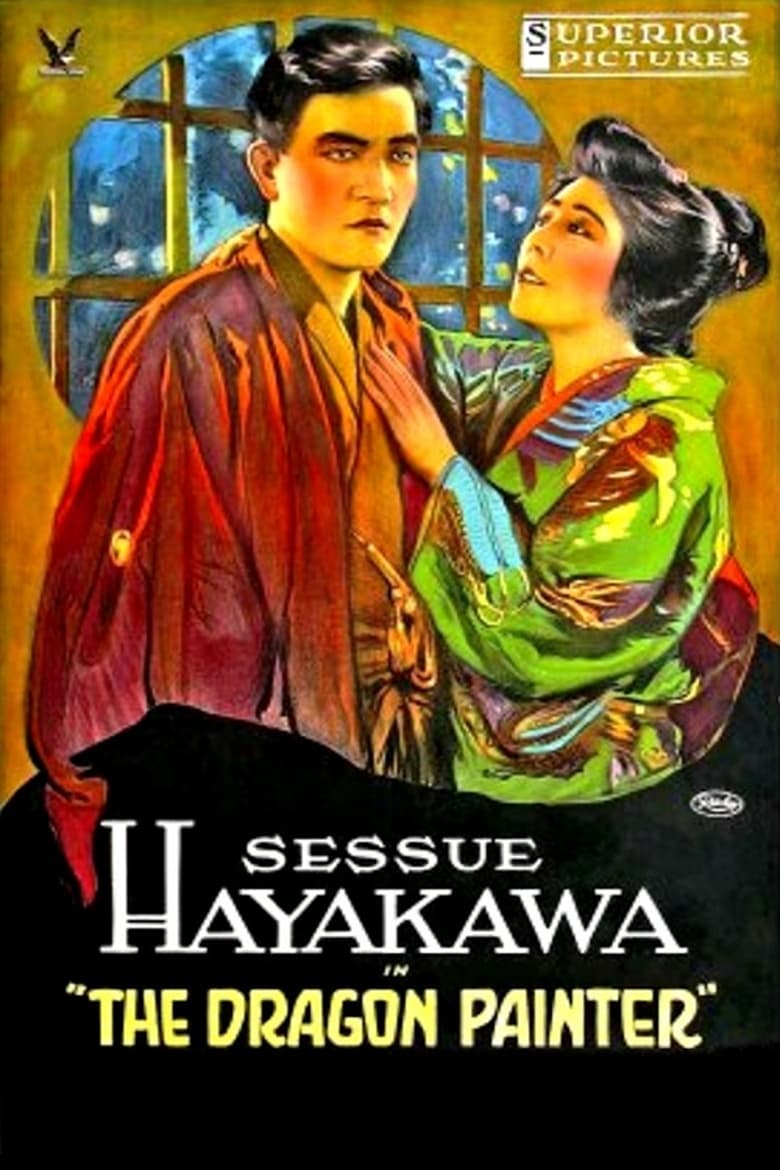
1919
TV-PGDirector
William Worthington
Runtime
61 minutes
Average Rating
No ratings yetSynopsis
A wild man and genius becomes a master painter's disciple, but loses his divine gift when he finds love.
Overall Score
Fair
Category Breakdown
LGBTQ+ Representation
The film focuses on a central romantic tension between a male protagonist and a female figure. No queer subtext or non-cisnormative identities are present.
Gender Representation
The narrative follows traditional early 20th-century hierarchies. The male protagonist drives the existential struggle, while the female character acts as a catalyst for his loss of talent.
Racial & Ethnic Diversity
The film features an all-Asian cast and a Chinese setting. This disrupts the era's Eurocentric norms, even if Japanese actors were used to portray Chinese characters.
Religious & Cultural Diversity
The story explores non-Western philosophical themes regarding artistic perfection and spiritual balance. It avoids Western morality in favor of a subjective, tragic exploration of human desire.
Disability Representation
There is no evidence of characters navigating physical or neurodivergent disabilities within the narrative.
Strengths
Areas for Improvement
AI Analysis
The Dragon Painter stands out for its historical departure from the Western-centric storytelling dominant in 1919. By centering an Eastern setting and an all-Asian cast, the film challenges the era's homogeneous cinematic standards. However, the film remains tethered to the social constraints of its time. The gender dynamics are traditional, positioning the female lead as a disruptive force rather than an independent agent in the protagonist's journey. Ultimately, the film's strength lies in its cultural positioning and its focus on internal, spiritual struggles rather than rigid Western social structures.
1929
1921
1931
1931

1937

1941
1914

1929
1919

1926

1927

1939
No reviews yet. Be the first to share your thoughts on this movie!
Use the rating form above to leave a star rating and optional review.