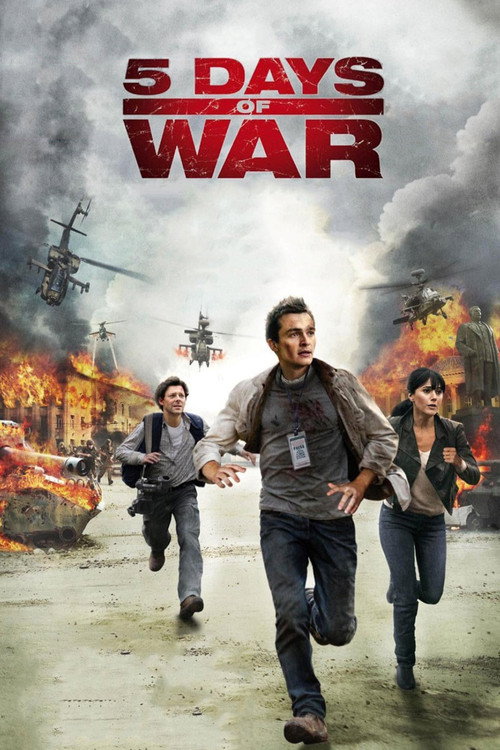
5 Days of War
2011
No user ratings available yet
Representation score: 2.4 out of 10

Representation Score
Fair
2009
RDirector
Uwe Boll
Runtime
98 minutes
Average Rating
No ratings yetNew Showbiz Analysis
Attack on Darfur is a harrowing dramatization of geopolitical failure that prioritizes the perspective of the Western observer. While it avoids harmful stereotypes, the narrative structure remains traditional, focusing on the moral dilemmas faced by journalists rather than the ability to act of the local population. The film effectively critiques the inaction of the international community and the political passivity of Western institutions. It uses the devastation of the Darfur genocide to challenge the notion of Western institutional infallibility. However, the film does not intentionally address the overlapping aspects of identity. It portrays physical disability and gender primarily through the lens of professional utility and survival within a crisis, rather than as complex identity-driven arcs.
Category Breakdown
The film does not include any documented LGBTQ+ characters or non-cisgender identities. The narrative focuses solely on survival in a high-intensity conflict zone.
Women appear in professional roles as journalists and aid workers. However, the story does not challenge traditional gender hierarchies or provide deep ability to act to female characters.
There is a contrast between the white Western observers and the Sudanese population. While victims receive screen time, the ability to act primarily lies with the Western journalists.
The film criticizes Western institutional apathy and the failure of global political structures. This perspective aligns with post-colonial views on the ethics of intervention.
Physical trauma and injury are used to highlight the brutality of genocide. These depictions serve as markers of conflict rather than nuanced explorations of disability.
Present on Screen
Limited or Absent
Official Synopsis
American journalists in Sudan are confronted with the dilemma of whether to return home to report on the atrocities they have seen, or to stay behind and help some of the victims they have encountered.
2011

2006

2015

1997

1990
1983

2008

2013
No reviews yet. Be the first to share your thoughts on this movie!
Use the rating form above to leave a star rating and optional review.