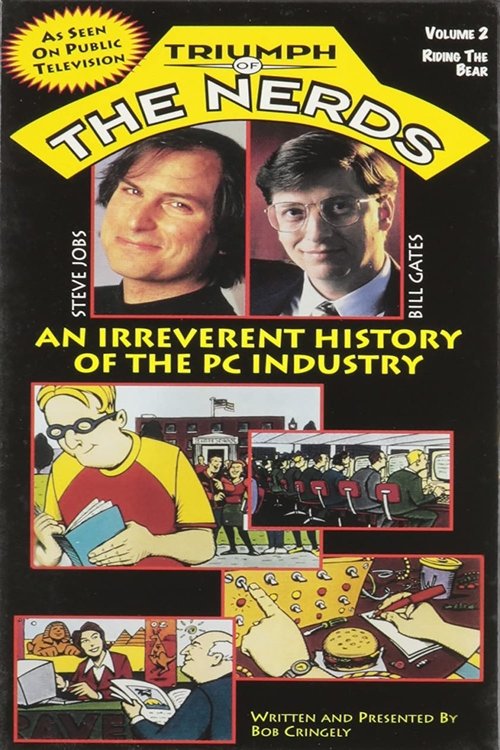
The Triumph of the Nerds: The Rise of Accidental Empires
1996
No user ratings available yet
Diversity score: 1.3 out of 10
2012
UnratedDirector
Paul Sen
Runtime
70 minutes
Average Rating
No ratings yetSynopsis
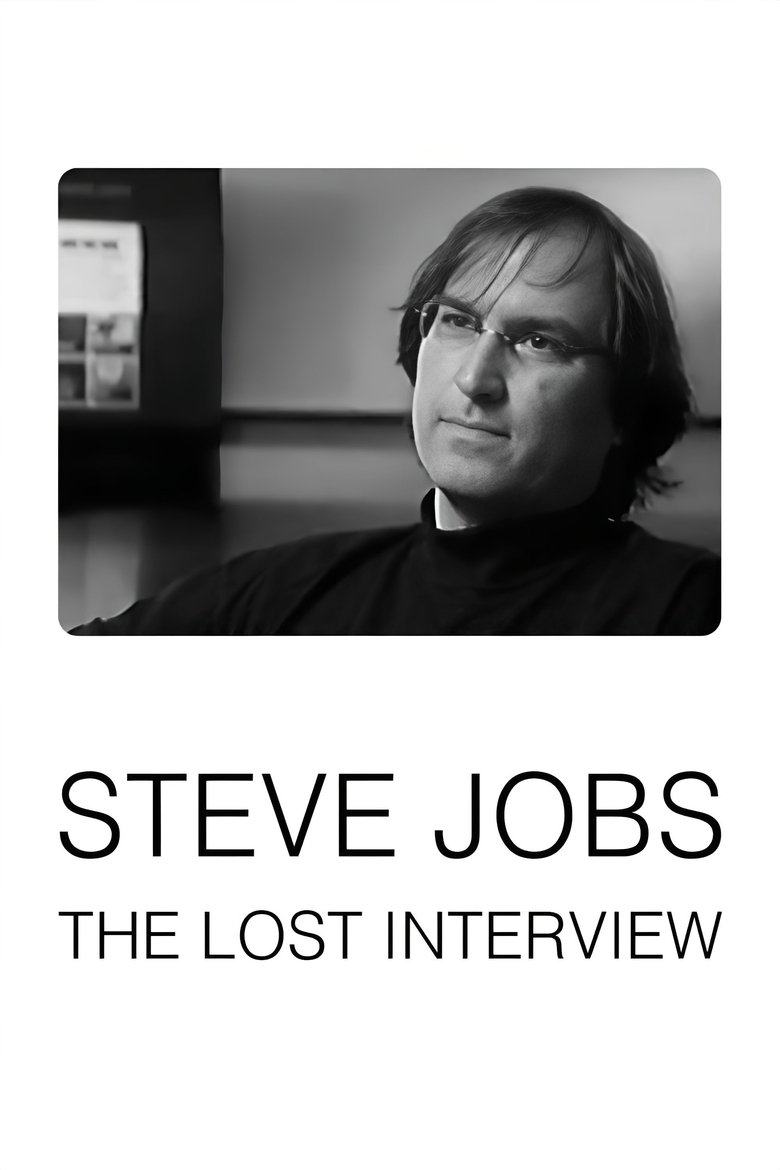
In a television interview filmed in 1995, Steve Jobs talks frankly about his early life, competition with Microsoft and his vision for the future, while he was running NeXT, the company he founded after leaving Apple.
Overall Score
Minimal
Category Breakdown
LGBTQ+ Representation
The film contains no depictions of LGBTQ+ identities or relationships. As a solo interview focused on computing, the narrative does not engage with sexuality.
Gender Representation
The documentary lacks interpersonal interaction, precluding any analysis of gender hierarchies. The subject is a single male figure with no female characters present for comparison.
Racial & Ethnic Diversity
The visual and auditory focus is exclusively on a single white subject. The film does not feature a diverse cast or address racial identity.
Religious & Cultural Diversity
The discourse leans toward Western capitalist frameworks and entrepreneurship. It focuses on market competition and individual merit rather than diverse cultural or collectivist ideologies.
Disability Representation
There are no depictions of physical or neurodivergent disabilities. No characters have arcs defined by health or sensory conditions.
Strengths
Areas for Improvement
AI Analysis
This documentary serves as a singular, monologue-driven archival document centered on the philosophy of one individual. Because the film is a specialized biographical archive, it lacks the narrative architecture required to explore interpersonal dynamics or group identities. The work prioritizes the technical and philosophical tenets of a tech pioneer over broader demographic representation. It operates as a study of individualistic vision rather than a social or cultural critique. Consequently, the film remains a homogeneous presentation that exists outside the realms of identity politics or intersectional storytelling.
1996

2015
2011
2011
2017
2016
2023
2017

2011
1999

2016
2001
No reviews yet. Be the first to share your thoughts on this movie!
Use the rating form above to leave a star rating and optional review.