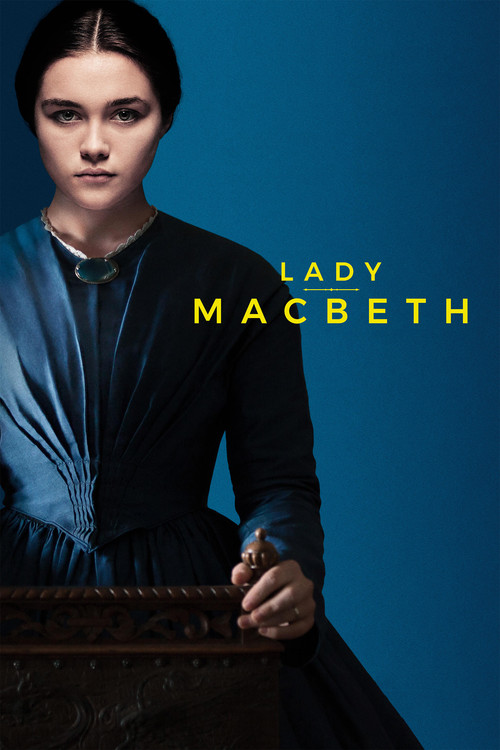
Lady Macbeth
2016
No user ratings available yet
Representation score: 3.6 out of 10

Representation Score
Good
2017
PGDirector
Isabel Coixet
Runtime
110 minutes
Average Rating
No ratings yetNew Showbiz Analysis
The film excels at deconstructing traditional gender roles and critiquing systemic social conformity. By centering on a woman's struggle for economic and intellectual independence, it provides a progressive thematic depth that challenges the patriarchal landscape of 1959. However, the period setting limits the demographic breadth, resulting in a lack of racial and ethnic diversity. The narrative remains focused on a homogeneous provincial community, which restricts the scope of its social commentary. Ultimately, the film is a character study of individual ability to act against institutionalized intolerance. It trades broad demographic representation for a deep, nuanced exploration of intellectual freedom and the friction caused by resisting social norms.
Category Breakdown
The film does not explicitly depict queer characters or romance. It focuses on intellectual and gendered isolation rather than non-straight relationships.
Laetitia asserts professional and intellectual authority against patriarchal expectations. The story frames traditional domestic roles as restrictive constructs rather than natural states.
The cast reflects the demographic homogeneity of a mid-century provincial setting. The narrative prioritizes class and intellectual identity over racial or ethnic diversity.
The film critiques Western provincialism and the oppressive nature of established social institutions. It highlights the dangers of unexamined social conformity and traditionalist dominance.
There is no significant focus on neurodivergence or physical disability. While the film explores psychological isolation, disability is not a central narrative driver.
Present on Screen
Limited or Absent
Official Synopsis
Set in a small English town in 1959, a woman decides, against polite but ruthless local opposition, to open a bookshop, a decision which becomes a political minefield.
2016

2016

2015
2017
2015
2014

2016

2015
No reviews yet. Be the first to share your thoughts on this movie!
Use the rating form above to leave a star rating and optional review.