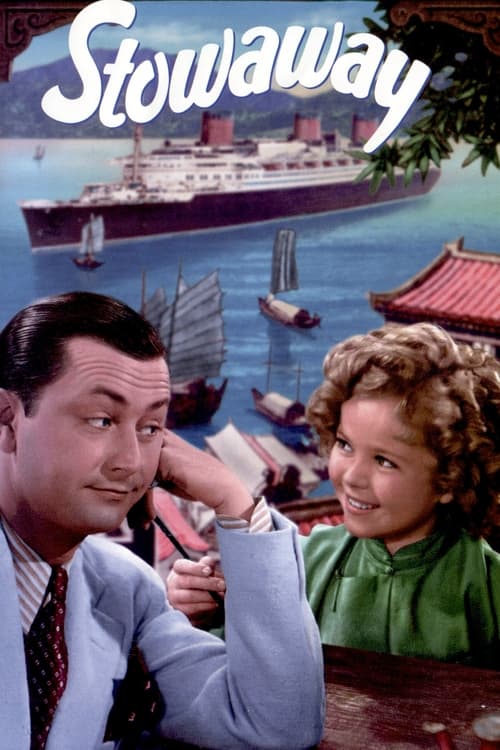
Stowaway
1936
No user ratings available yet
Diversity score: 3.3 out of 10

1929
PassedDirector
William A. Seiter
Runtime
90 minutes
Average Rating
No ratings yetSynopsis
A pretty, young violinist who travels from Ireland to America to seek fame and fortune on Broadway finds a bit more than she expected. A lost film.
Overall Score
Limited
Category Breakdown
LGBTQ+ Representation
The film lacks evidence of non-heteronormative identities. Given the 1929 romance genre, the narrative likely adheres to traditional courtship structures.
Gender Representation
A female violinist drives the plot through her professional ambitions. However, her success may still be tied to romantic resolution, reflecting era-specific gender hierarchies.
Racial & Ethnic Diversity
The story focuses on the Irish immigrant experience and ethnic identity. It likely emphasizes assimilation into American culture rather than challenging systemic hierarchies.
Religious & Cultural Diversity
The narrative follows a pursuit of the American Dream and upward mobility. This framework reinforces Western success and capitalist ideals without much subversion.
Disability Representation
There is no information available regarding the portrayal of physical or neurodivergent characters in this production.
Strengths
Areas for Improvement
AI Analysis
Smiling Irish Eyes follows a traditional immigrant success story common to the late 1920s. The plot centers on an Irish violinist seeking fame on Broadway, a narrative that leans heavily into established commercial tropes of the era. While the film provides visibility to Irish ethnic identity, it appears to function as a study of assimilation. The focus on professional ambition for the female lead offers some agency, yet the romantic genre suggests these efforts remain bound by conventional social structures. Because the film is currently lost, the full depth of its character nuances remains unknown. The available context points to a production aligned with mainstream studio entertainment and standard period narratives.
No reviews yet. Be the first to share your thoughts on this movie!
Use the rating form above to leave a star rating and optional review.