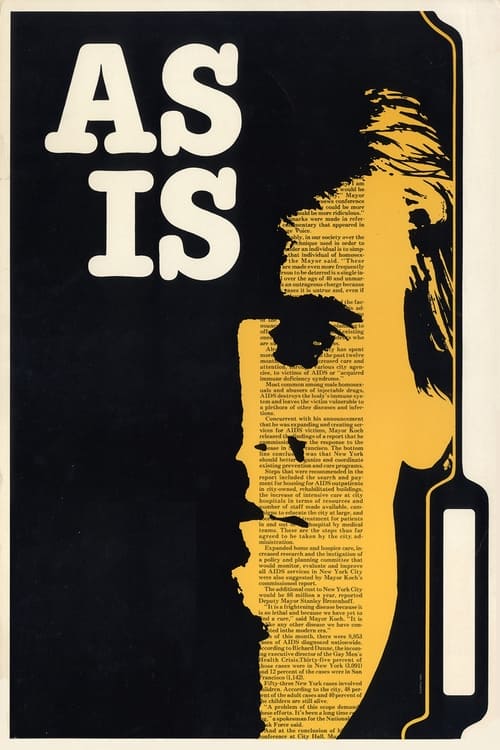
As Is
1986
No user ratings available yet
Representation score: 8.1 out of 10
Representation Score
Good
1994
Director
Alan Metzger
Runtime
100 minutes
Average Rating
No ratings yetNew Showbiz Analysis
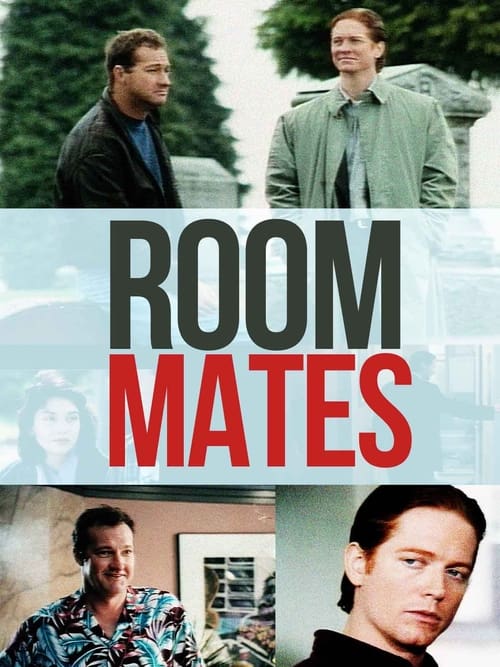
Roommates engages directly with the social crises of the 1990s by centering its narrative on the AIDS epidemic. The film moves beyond simple clichés, using the friendship between a macho man and a gay man to foster empathy and critique social barriers. The production succeeds in humanizing underrepresented identities, particularly through its depiction of non-traditional living arrangements and communal care. It avoids the trap of clinical observation, focusing instead on the real-life struggles of those navigating a systemic health crisis. However, the film's scope is limited by its binary character study and a lack of visible racial or ethnic diversity. While it challenges certain gendered expectations, the narrow focus on specific masculine archetypes restricts its broader social representation.
Category Breakdown
The film centers on a gay man's experiences during the AIDS crisis, avoiding stereotypes and highlighting the social barriers faced by LGBTQ+ individuals.
The story explores social dynamics through a binary character study, emphasizing the emotional strength of the gay protagonist and challenging traditional masculine dominance.
There is insufficient information available to determine the racial composition of the cast or any multi-ethnic dynamics within the film.
Set in a halfway house, the film shifts focus from traditional family units to communal support systems, challenging the stability of conventional Western social institutions.
The film addresses chronic illness by focusing on the interpersonal realities of living with a life-altering condition, rather than clinical observations.
Present on Screen
Limited or Absent
Official Synopsis
The story of a macho straight and a well-educated gay man who have to share an apartment at a half-way house for aids-patients. Slowly they become friends.
1986

1995

1991

1993

1985

1992

2014
1988
No reviews yet. Be the first to share your thoughts on this movie!
Use the rating form above to leave a star rating and optional review.