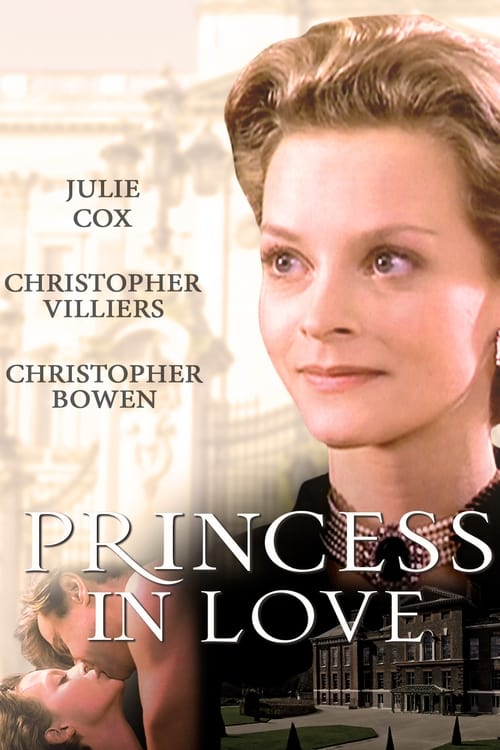
Princess in Love
1996
No user ratings available yet
Representation score: 1.1 out of 10
Representation Score
Minimal
1982
Director
James Goldstone
Runtime
93 minutes
Average Rating
No ratings yetNew Showbiz Analysis
This biographical drama presents a conservative view of the British monarchy, prioritizing historical accuracy over progressive representation. The narrative focuses on reinforcing established social, racial, and gender hierarchies rather than challenging them. The film's monocultural perspective limits its scope to a narrow view of the white British aristocracy. While it explores the tension between personal autonomy and royal expectations, it ultimately romanticizes traditional Western values and institutional prestige.
Category Breakdown
The film assumes everyone is straight and cisgender, with no representation of LGBTQ+ identities or same-sex relationships.
Diana struggles with personal freedom within patriarchal expectations, but the film upholds traditional gender roles and does not challenge male leadership.
The film depicts a highly homogeneous society with no racial or ethnic diversity, focusing solely on the white British aristocracy.
The story highlights traditional Western institutions like the monarchy and the Church of England, emphasizing historical social hierarchies.
There is no representation of physical, sensory, or neurodivergent disabilities. Characters are defined by social status rather than diverse physical experiences.
Present on Screen
Limited or Absent
Official Synopsis
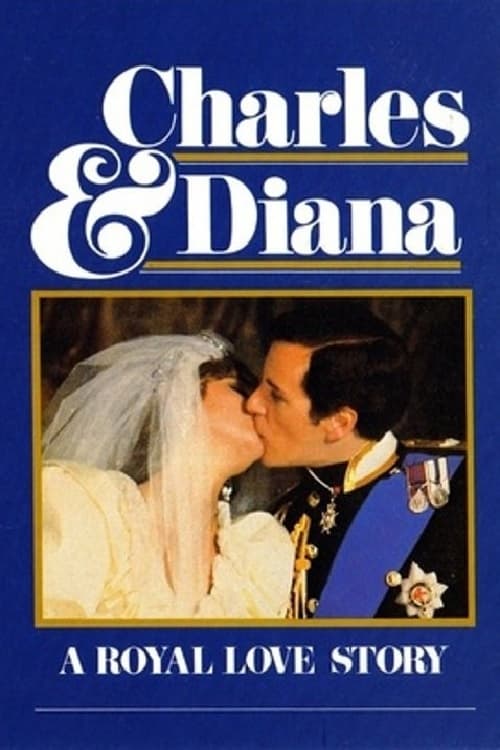
Dramatization of the romance and July 1981 wedding of Great Britain's Prince Charles and Lady Diana Spencer.
1996
1969
2012
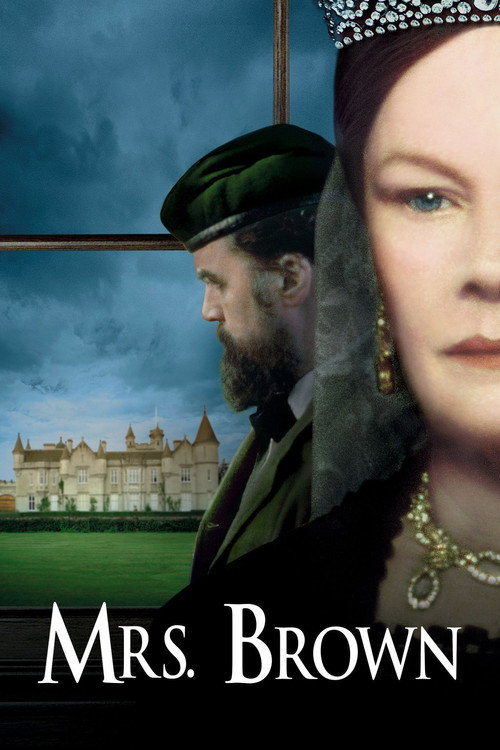
1997
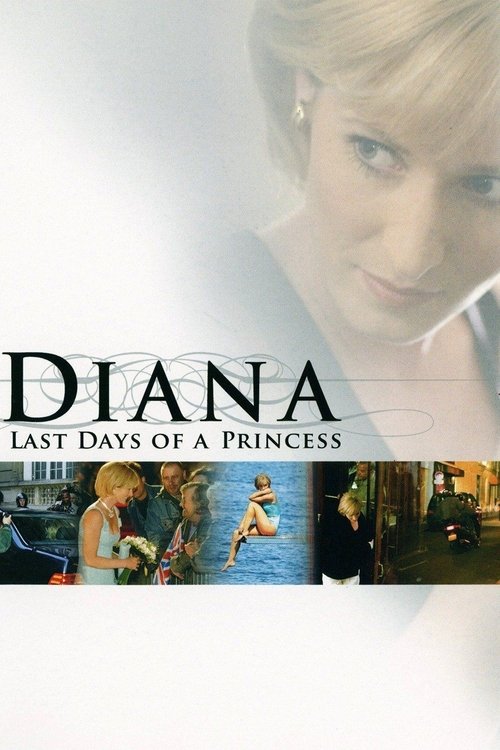
2007
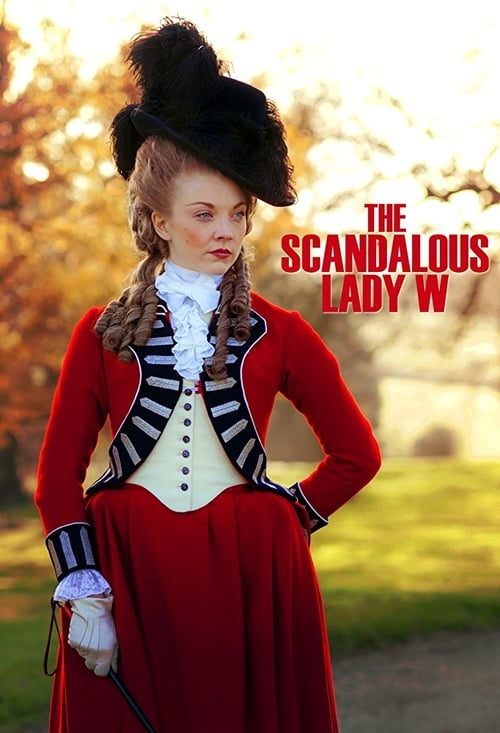
2015
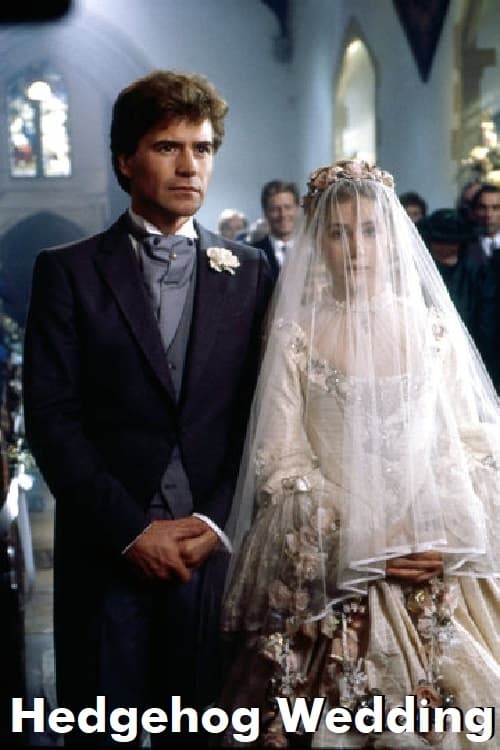
1987

1986
No reviews yet. Be the first to share your thoughts on this movie!
Use the rating form above to leave a star rating and optional review.