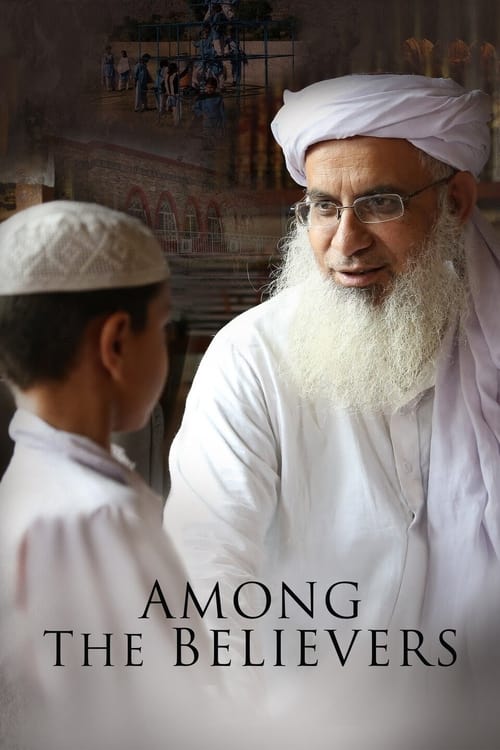
Among the Believers
2015
No user ratings available yet
Representation score: 1.1 out of 10

Representation Score
Good
2015
Director
Deeyah Khan
Runtime
50 minutes
Average Rating
No ratings yetNew Showbiz Analysis
Deeyah Khan’s documentary is a sophisticated exercise in narrative architecture that dismantles traditional Western hegemony over Islamic identity. By shifting the gaze away from geopolitical clichés, the film offers a deeply personal, multi-layered examination of what it means to exist at the intersection of faith and citizenship. The work succeeds by framing systemic challenges not as passive victimhood, but as catalysts for individual empowerment. It effectively deconstructs the oppressor/oppressed framework through a post-colonial lens, providing a nuanced critique of how Western societies maintain boundaries of belonging. While the film lacks explicit LGBTQ+ storylines, its strength lies in its refusal to rely on reductive stereotypes. It replaces broad-stroke radicalization narratives with complex, multi-layered explorations of identity and social cohesion.
Category Breakdown
The film does not center LGBTQ+ identities as a primary narrative arc. However, its focus on reclaiming identity and resisting rigid social norms provides a framework that resonates with themes of self-determination.
The film centers female voices to subvert traditional hierarchies. It challenges both internal patriarchal structures and reductive Western stereotypes, portraying women with significant intellectual and emotional ability to act.
The documentary showcases an exceptional spectrum of Middle Eastern and South Asian identities. It avoids monolithic views, instead prioritizing people of color as central to the contemporary social fabric.
The film engages deeply with post-colonial themes and critiques systemic prejudices. It challenges Western secular superiority by framing the 'Other' through the subjects' own complex perspectives on faith.
There is no significant evidence regarding the portrayal of physical or neurodivergent disabilities within the documentary context.
Present on Screen
Limited or Absent
Official Synopsis
An unflinching but sensitive and personal examination of jihadism and radicalisation, its causes and its possible solutions.
2015

2012

2017
2015
2016
2019

2016
2020
No reviews yet. Be the first to share your thoughts on this movie!
Use the rating form above to leave a star rating and optional review.