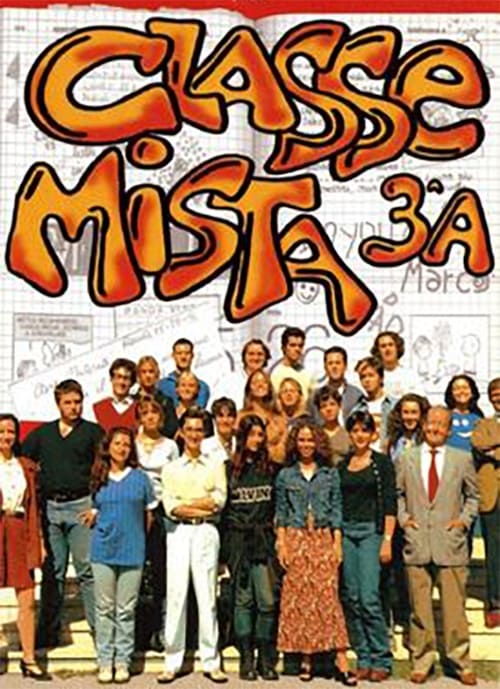
Classe mista 3ª A
1996
No user ratings available yet
Diversity score: 3.2 out of 10

2013
Director
Federico Moccia
Runtime
99 minutes
Average Rating
No ratings yetSynopsis
Living among boys is easy, each of them with their own mess, unregimented lifestyle, and unique "method of study." The male universe in which they live, however, is about to be invaded by women. Giorgia is independent and receives little attention from her parents; Francesca is in a doomed relationship with an older professor, while Emma wants to be a famous performer. In this new mixed arrangement house, each character finds their place as they establish a confusing, but fun and tumultuous extended family - a family which none of them has ever truly had.
Overall Score
Limited
Category Breakdown
LGBTQ+ Representation
The film focuses almost exclusively on heteronormative romantic entanglements. There is a notable absence of non-cisnormative gender identities or same-sex intimacy throughout the narrative.
Gender Representation
Female characters possess individual motivations and agency, such as professional ambition and independence. However, their arcs remain heavily defined by relationships with male counterparts within traditional romantic comedy structures.
Racial & Ethnic Diversity
The cast reflects a primarily homogeneous, middle-class Italian demographic. The film offers no significant non-white representation or diverse casting to challenge social norms.
Religious & Cultural Diversity
The story explores the concept of a 'chosen family' through a peer-based support system. It does not engage in broader critiques of Western institutions or secularism.
Disability Representation
The narrative focuses on the neurotypical and able-bodied experiences of university students. There is no evidence of visible or invisible disabilities being addressed.
Strengths
Areas for Improvement
AI Analysis
Federico Moccia’s film is a conventional romantic comedy that prioritizes interpersonal dynamics over social representation. While the introduction of women into a male-dominated living space provides some character agency, the film remains deeply rooted in traditional tropes. The narrative lacks intentionality regarding intersectionality, failing to include queer identities, racial diversity, or disability representation. It functions as a localized portrait of Italian youth rather than a tool for social commentary. Ultimately, the film adheres to established genre conventions, offering a comfortable, heteronormative experience that avoids challenging systemic social hierarchies.
1996
1996

2013

2000

2014

2014
1995
2013
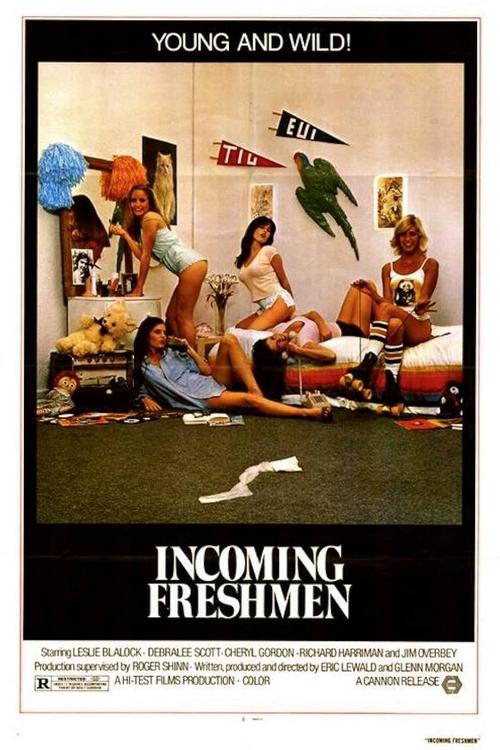
1979

2013

2007
2013
No reviews yet. Be the first to share your thoughts on this movie!
Use the rating form above to leave a star rating and optional review.