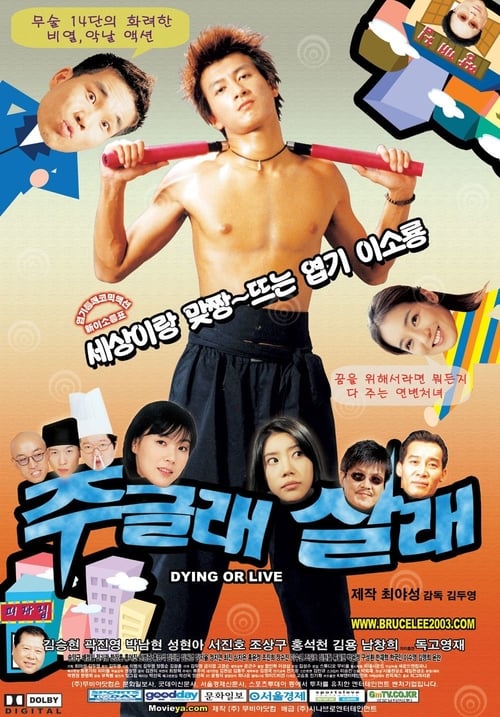
Dying or Live
2003
No user ratings available yet
Representation score: 3.7 out of 10
Representation Score
Limited
2006
Director
Shin Han-sol
Runtime
100 minutes
Average Rating
No ratings yetNew Showbiz Analysis
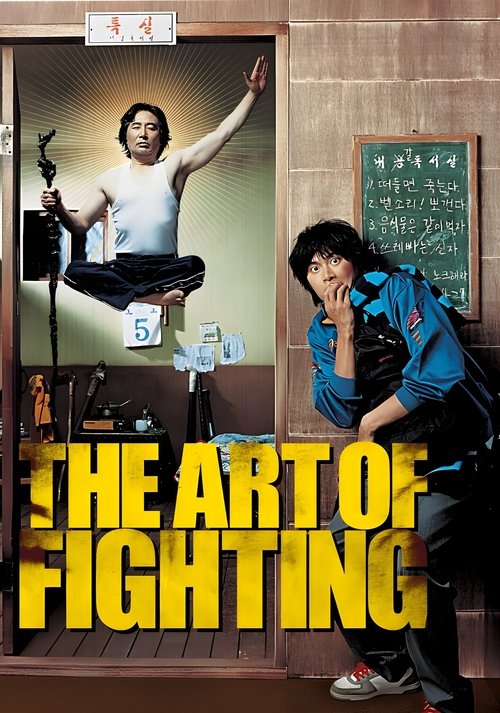
The Art of Fighting operates as a conventional genre piece that emphasizes traditional action-comedy clichés. Its narrative structure centers on individualistic empowerment and physical mastery, limiting its potential for complex, storytelling that reflects multiple aspects of identity. While the film offers a non-Western perspective through its South Korean production and majority cast, it does not engage in deliberate efforts toward globalized racial blending or systemic critique. The themes remain grounded in meritocratic values without challenging established social frameworks. Ultimately, the film lacks diverse character arcs or subversions of identity necessary to move beyond standard masculine-coded storytelling.
Category Breakdown
The film focuses on a mentor-student martial arts dynamic and does not include any characters with non-cisgender identities or same-sex relationships.
The story follows traditional male-centric action-comedy conventions, reinforcing stereotypes of masculinity without providing roles for women or challenging gender hierarchies.
As a South Korean production, the film features a predominantly non-Western cast. However, it does not make specific efforts to blend global racial diversity or address multi-layered issues.
The plot centers on a typical hero's journey emphasizing physical mastery. It avoids critiquing Western institutions or traditional family structures, focusing instead on individualistic values.
There are no characters with visible or invisible disabilities in the film. The protagonist's struggles are framed as social issues rather than disabilities.
Present on Screen
Limited or Absent
Official Synopsis
Byung-tae is the kid who is always on the receiving end of beatings from the school bullies—that is, until he meets Pan-su, a martial arts expert who takes him under his wing.
2003
1978
2004

1978

2020

2020

2006

1986
No reviews yet. Be the first to share your thoughts on this movie!
Use the rating form above to leave a star rating and optional review.