
The Ex-Wife of My Life
2004
No user ratings available yet
Representation score: 5.4 out of 10

Representation Score
Fair
1998
Director
Josiane Balasko
Runtime
90 minutes
Average Rating
No ratings yetNew Showbiz Analysis
Josiane Balasko’s performance centers on female control and the breakdown of romantic stereotypes. The film successfully challenges traditional gender roles by focusing on the emotional intricacies of a troubled relationship rather than a stable family setting. While the film offers a progressive perspective on personal independence and individual freedom, it lacks clear markers in other areas. There is no confirmed representation of LGBTQ+ identities or significant racial diversity within the provided narrative data. Ultimately, the film serves as a character-focused study of modern love. It replaces idealized romance with a more nuanced, fluid exploration of human connection and emotional interaction.
Category Breakdown
The film examines contemporary romantic relationships and the impact of long-term separation. It does not include any clear examples of queer-coded narratives or non-straight identities.
The story emphasizes female perspectives on autonomy and control. It challenges traditional clichés by focusing on the emotional complexity of women rather than male-dominated resolutions.
There is no specific information about the racial makeup of the cast. The film likely reflects the demographics of its time without clear evidence of diverse character's ability to drive the story.
The story questions the sanctity of traditional romantic institutions by highlighting dysfunction and infidelity. It promotes moral flexibility over strict religious or moral rules.
There is no recorded information about the portrayal of physical or neurodivergent disabilities in the character arcs.
Present on Screen
Limited or Absent
Official Synopsis
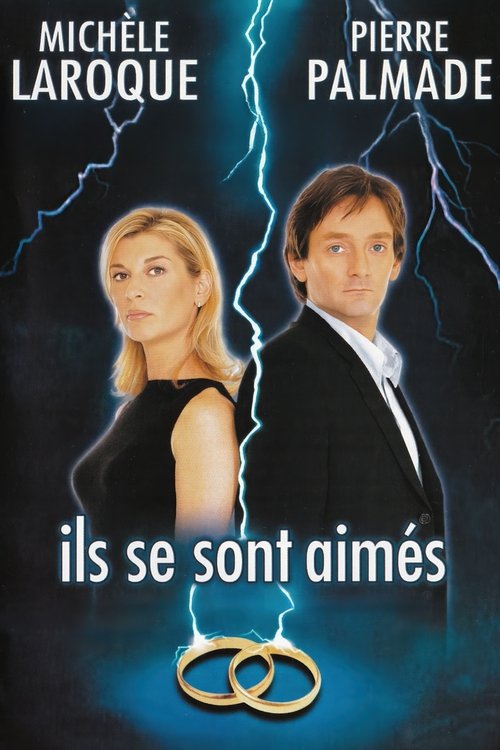
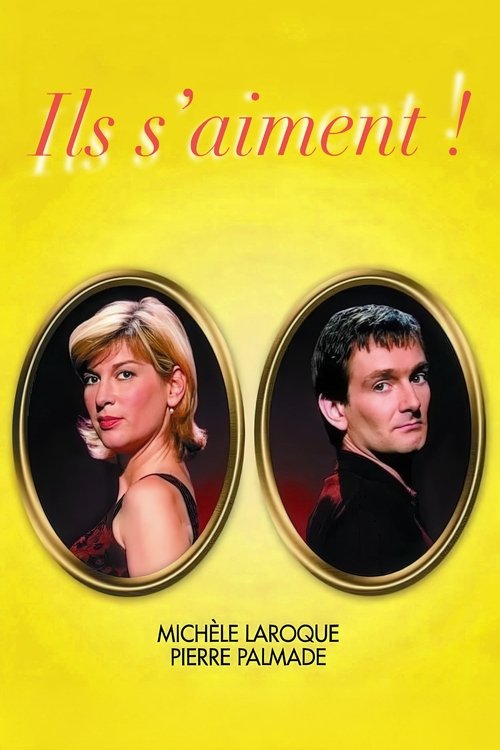
A famous couple is going on stage after ten years of separation and hate.
2004

1995
2002

1975
1997

2005

1989

2015
No reviews yet. Be the first to share your thoughts on this movie!
Use the rating form above to leave a star rating and optional review.