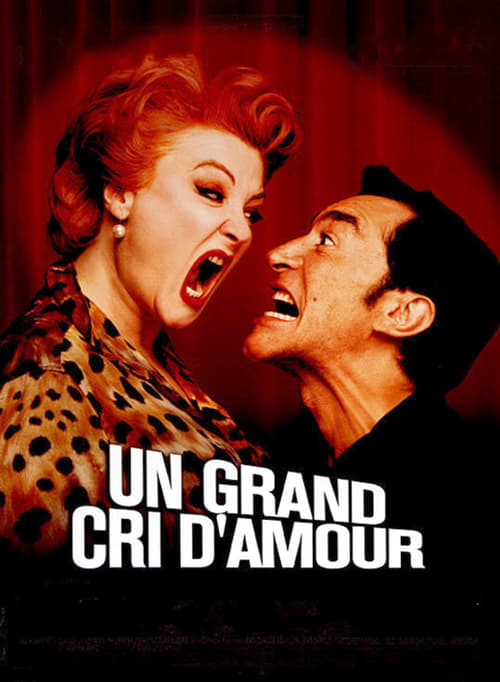
Un grand cri d'amour
1998
No user ratings available yet
Representation score: 5.3 out of 10
Representation Score
Limited
2002
Director
Sylvain Bergère
Runtime
88 minutes
Average Rating
No ratings yetNew Showbiz Analysis
The film operates as a conventional comedy centered on the dissolution of a marriage. Its narrative structure emphasizes interpersonal romantic dynamics over the deconstruction of social hierarchies. Since the story centers on a traditional heterosexual couple in crisis, it lacks the complexity needed to challenge established cultural norms. The focus remains on standard genre clichés regarding marriage and divorce. Ultimately, the work functions as a character-driven study of romantic instability rather than a vehicle for social commentary.
Category Breakdown
The story focuses on a heterosexual couple, Isabelle and Martin, dealing with their divorce. There is no visible engagement with LGBTQ+ narratives or non-binary identities.
The film explores life after marriage, offering potential for women to take a leading role. However, it does not challenge traditional gender roles or masculinity.
The narrative appears to center around a homogeneous social demographic. There is no indication of a diverse or non-Anglo-Saxon majority cast.
The plot examines the breakdown of the nuclear family. It functions as a standard exploration of romantic dysfunction rather than a critique of societal institutions.
The film provides no evidence of characters with visible or invisible disabilities.
Present on Screen
Limited or Absent
Official Synopsis
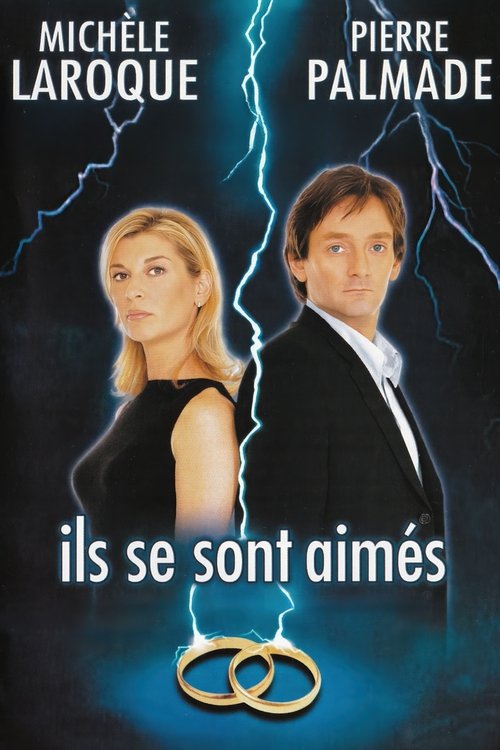
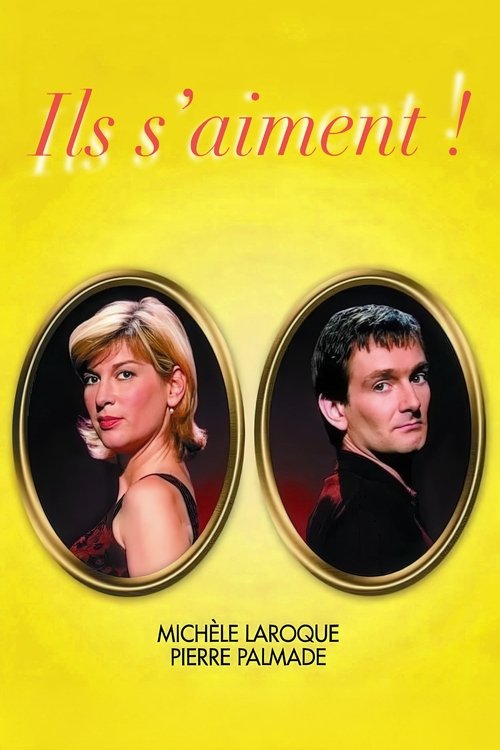
After "They love each other", Michèle Laroque and Pierre Palmade try to answer the question "Is there a life after divorce?", through the story of Isabelle and Martin, a couple in crisis.
1998

2004
2016

1995
2000
1997

2015

2018
No reviews yet. Be the first to share your thoughts on this movie!
Use the rating form above to leave a star rating and optional review.