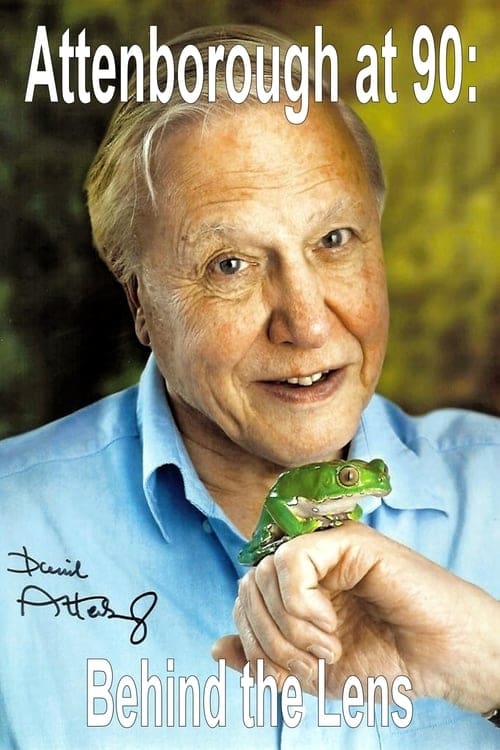
Attenborough at 90: Behind the Lens
2016
No user ratings available yet
Representation score: 2.7 out of 10

Representation Score
Minimal
2016
Director
Anuschka Schofield
Runtime
90 minutes
Average Rating
No ratings yetNew Showbiz Analysis
This documentary functions as a historical retrospective of mid-century filmmaking rather than a modern narrative designed for social representation. It preserves the social and geopolitical frameworks of the 1950s, which prioritized Western scientific exploration and traditional masculine leadership. While the newly discovered color footage offers significant visual depth to non-Western cultures and ecosystems, the presentation remains tied to the era's ethnographic traditions. The film serves as a technical milestone in archival recovery rather than a tool for contemporary storytelling. Ultimately, the work is a window into a specific historical moment. It captures the world as seen through the lens of 1954, where the perspectives of the explorers take precedence over the ability to act of the communities they encounter.
Category Breakdown
The archival footage focuses on natural history and ethnographic observations. There are no LGBTQ+ characters or narratives present in this mid-century expeditionary subject matter.
The narrative is driven by male explorers like David Attenborough and Charles Lagus. Women are largely absent from expeditionary roles, reflecting the traditional gender hierarchies of 1954.
The series provides visibility to tribal communities in West Africa and Guiana. However, these populations are viewed through a mid-century ethnographic lens where their control over their own lives is often secondary to the expedition.
The content reflects a Western-centric view of global exploration. While it showcases diverse landscapes, the framework remains rooted in the colonial-era tradition of scientific discovery and travelogues.
There is no discernible focus on disability representation within these wildlife documentary archives.
Present on Screen
Limited or Absent
Official Synopsis
Thanks to a remarkable discovery in the BBC's film vaults, the best of David Attenborough's early Zoo Quest adventures can now be seen as never before - in colour - and with it the remarkable story of how this pioneering television series was made. First broadcast in December 1954, Zoo Quest was one of the most popular television series of its time and launched the career of the young David Attenborough as a wildlife presenter. Zoo Quest completely changed how viewers saw the world - revealing wildlife and tribal communities that had never been filmed or even seen before. Broadcast 10 years before colour television was seen in the UK, Zoo Quest was thought to have been filmed in black and white, until now. Using this extraordinary new-found colour film, together with new behind-the-scenes stories from David Attenborough and cameraman Charles Lagus, this special showcases the very best of Zoo Quest to West Africa, Zoo Quest to Guiana and Zoo Quest for a Dragon in stunning HD colour.
2016
2021
2012
2017
2013
2014
2011
2020
No reviews yet. Be the first to share your thoughts on this movie!
Use the rating form above to leave a star rating and optional review.