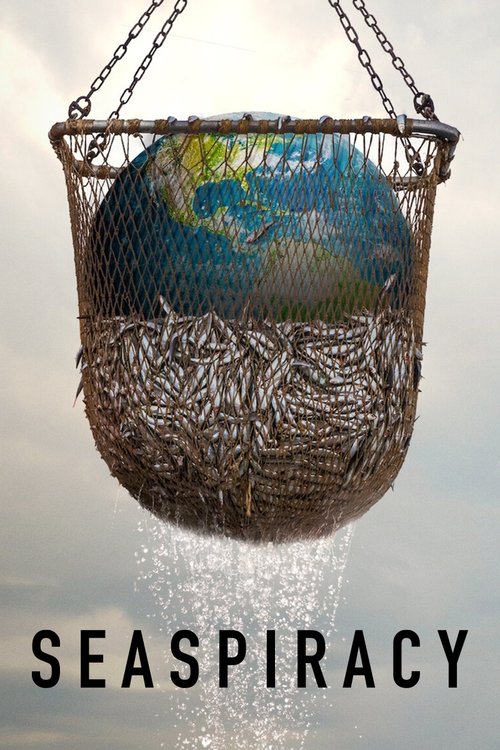
Seaspiracy
2021
No user ratings available yet
Diversity score: 5.6 out of 10
2020
PGDirector
Alastair Fothergill, Keith Scholey, Jonathan Hughes
Runtime
83 minutes
Average Rating
No ratings yetSynopsis
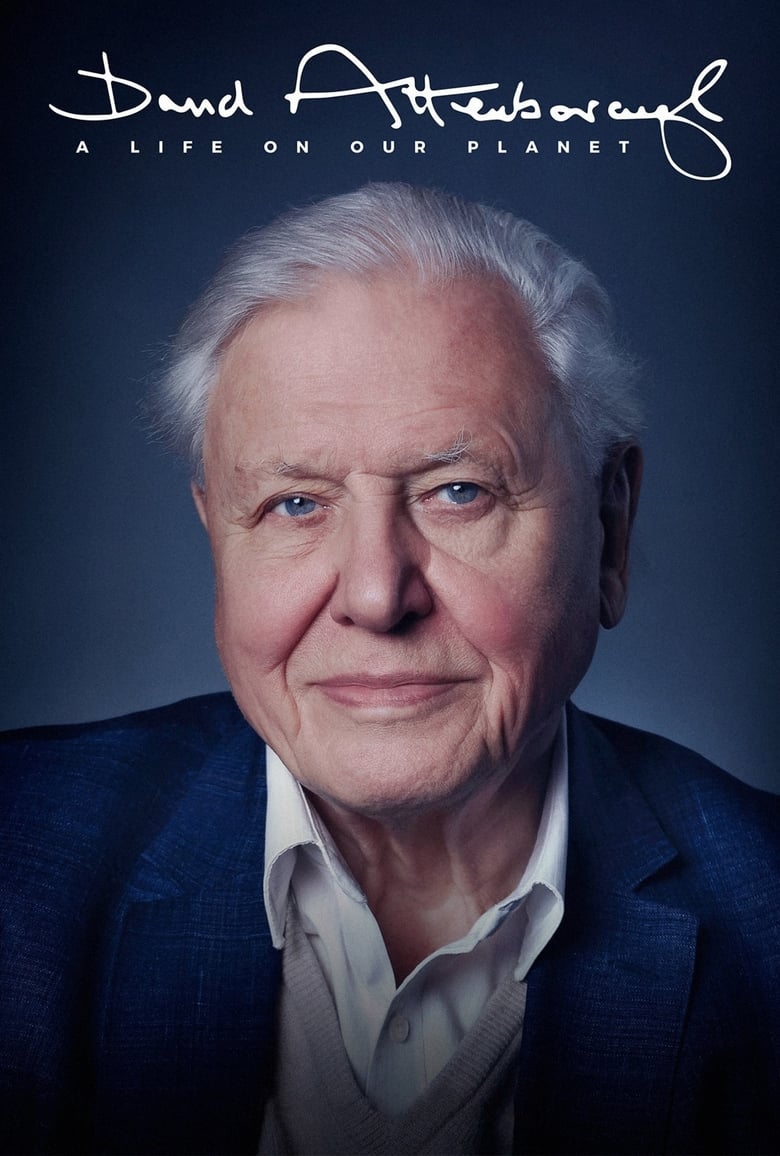
The story of life on our planet by the man who has seen more of the natural world than any other. In more than 90 years, Attenborough has visited every continent on the globe, exploring the wild places of our planet and documenting the living world in all its variety and wonder. Addressing the biggest challenges facing life on our planet, the film offers a powerful message of hope for future generations.
Overall Score
Fair
Category Breakdown
LGBTQ+ Representation
The documentary focuses strictly on biological and ecological systems. It lacks human-centric romantic subplots or identity-based character arcs, offering no specific commentary on non-cisnormative identities.
Gender Representation
The film centers on the authoritative voice of a singular male figure. While it avoids reinforcing patriarchal domestic hierarchies, it does not actively subvert gender roles through character agency.
Racial & Ethnic Diversity
The narrative uses a globalized lens to address how industrial expansion impacts indigenous habitats. It acknowledges the systemic effects of Western industrialization on non-Western ecosystems and diverse biomes.
Religious & Cultural Diversity
The film critiques neoliberal capitalism and the pursuit of infinite economic growth. It prioritizes scientific consensus and ecological stewardship over traditional religious or nationalistic moralities.
Disability Representation
There is no human cast or social interaction present to allow for the assessment of physical or neurodivergent representation.
Strengths
Areas for Improvement
AI Analysis
The film operates as a high-level critique of modern systemic structures rather than a study of human social identity. It lacks traditional sociological representation, such as LGBTQ+ presence or specific racial character arcs. However, it achieves progressive value by disrupting conventional ideas of progress. By framing industrial capitalism as a destructive force, the narrative shifts focus from national identity to a collective responsibility toward the biosphere. Ultimately, the documentary replaces human-centric social hierarchies with a globalist imperative for survival, prioritizing ecological interconnectedness over individual or cultural dominance.
2021

2019
2017
2016

2016
2012

2017

2020
2017
2006

2019
2012
No reviews yet. Be the first to share your thoughts on this movie!
Use the rating form above to leave a star rating and optional review.